Journal de bord du capitaine : Ce qu'il faut savoir sur Meltemi Wind Turkey
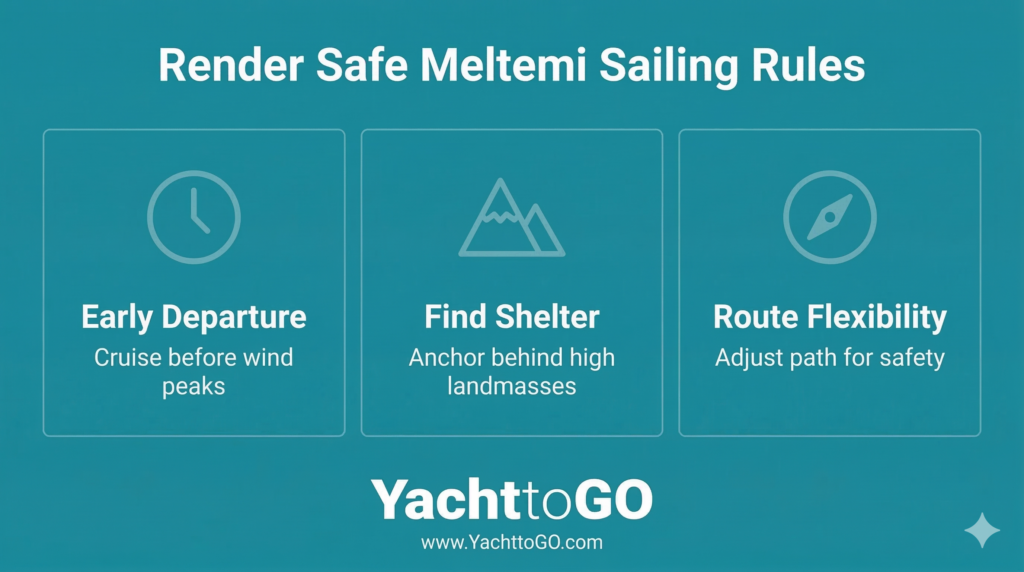
1. La règle de 14 heures : Le Meltemi atteint son apogée dans l'après-midi. Nous naviguons à l'aube et jetons l'ancre vers 13 heures pour que les boissons soient à portée de main et l'estomac bien calé.
2. Les souffleries : La vitesse du vent double entre les îles étroites. Une brise de 15 nœuds en pleine mer devient un souffle de 30 nœuds dans un chenal étroit.
3. La mer décide : Les itinéraires proposés dans les brochures sont des suggestions. Si le vent souffle fort du nord-ouest, nous changeons d'itinéraire pour trouver un plan d'eau protégé. La sécurité l'emporte toujours.
Vous regardez la carte sur votre téléphone. Vous voyez une ligne droite entre votre marina et un célèbre club de plage. Vous me dites que vous voulez partir après le déjeuner et arriver à 16 heures. Je regarde le ciel, je regarde les cartes de pression et je vous dis non. Nous ne partons pas à 15 heures. Tu seras peut-être déçu. Vous allez peut-être penser que je suis paresseux. Mais je fais mon travail. Je protège vos vacances du Meltemi.
Le Meltemi est un vent sec et fort du nord-ouest. Il souffle chaque été dans la mer Égée. Il commence en juin. Il rugit en juillet et en août. Il se calme à la fin du mois de septembre. Ce n'est pas une tempête. Il s'agit d'un phénomène météorologique saisonnier tout à fait normal. Il apporte de l'air pur. Il fait tomber la terrible humidité de l'été. Il apporte un soulagement à la chaleur de 40 degrés. Mais il soulève aussi des vagues courtes, brusques et affreuses. Si vous essayez de la combattre lorsqu'elle est à son apogée, vous perdrez. Si vous apprenez son rythme, vous ferez le meilleur voyage de votre vie.
Briefing du capitaine Hüseyin
Ne craignez pas le vent. Utilisez-le. Lorsque le Meltemi souffle à 25 nœuds à l'extérieur de la péninsule de Datça, je dirige le bateau vers le golfe d'Hisarönü. Les hautes montagnes couvertes de pins agissent comme un mur de béton. Nous jetons l'ancre dans une eau plate et calme, alors que la mer se déchaîne à cinq milles de là. La géographie locale est notre meilleur bouclier.
La mécanique des vents de la voile d'été
Pour comprendre le temps de la mer Égée, il faut comprendre la pression. Le Meltemi naît de la rencontre d'une haute pression sur les Balkans et d'une basse pression sur la masse continentale asiatique. Cela crée un vide. Le vent se précipite vers le sud pour combler ce vide. Il descend au-delà des îles grecques et s'abat sur la côte turque.
Ce vent est prévisible. Il s'endort la nuit. À 4 heures du matin, la mer est souvent aussi plate qu'une piscine. À 10 heures, une légère brise se lève. À 14 heures, le vent souffle fort. Elle atteint son apogée vers 16 heures. Lorsque le soleil se couche et que la terre se refroidit, le vent tombe généralement. Ce cycle quotidien est le moteur de la planification de la route de tout capitaine intelligent.
Nous ne devinons pas le temps qu'il fera. Je vérifie modèles météorologiques maritimes mondiaux avant même que mon équipe ne soit réveillée. Je consulte le modèle européen ECMWF. Je vérifie les rafales de vent, et pas seulement la vitesse du vent de base. Une prévision de 15 nœuds peut facilement cacher des rafales de 28 nœuds lorsque le vent se faufile entre deux caps.
La planification de l'itinéraire le matin détermine le succès de votre journée sur l'eau.
L'horloge du capitaine : Comment nous planifions votre journée
En raison de ce cycle quotidien du vent, un bon équipage de yacht travaille tôt. Si nous devons traverser un golfe ouvert ou parcourir une longue distance, nous levons l'ancre à 6 heures du matin. Les moteurs s'allument. Les matelots tirent les amarres. Vous restez endormi dans votre cabine. Le ronronnement des moteurs devient une vibration régulière.
Vous vous réveillez à 8h30. Vous vous rendez sur le pont arrière. La mer est calme. Le chef prépare vos œufs et vous sert votre café. À 13 heures, nous arrivons dans la baie que nous visons. Le capitaine dépose 80 mètres de chaîne en acier dans le sable. L'équipage attache deux longues lignes aux rochers à terre. Nous coupons les moteurs principaux. Au moment où nous terminons, vous remarquez que le vent commence à hurler dans le gréement. Mais vous ne sentez pas les vagues. Vous êtes en sécurité derrière une montagne.
Si vous insistez pour faire la grasse matinée jusqu'à 11 heures et que vous me dites de commencer la croisière à 14 heures, je vous préviens. Le bateau va tanguer. La proue se heurtera à des vagues courtes et raides. Les assiettes glisseront des tables. Vos invités se sentiront mal. C'est la raison pour laquelle vous engagez un professionnel. Je vous protège des mauvaises décisions.
Trouver des mouillages sûrs autour de Bodrum et au-delà
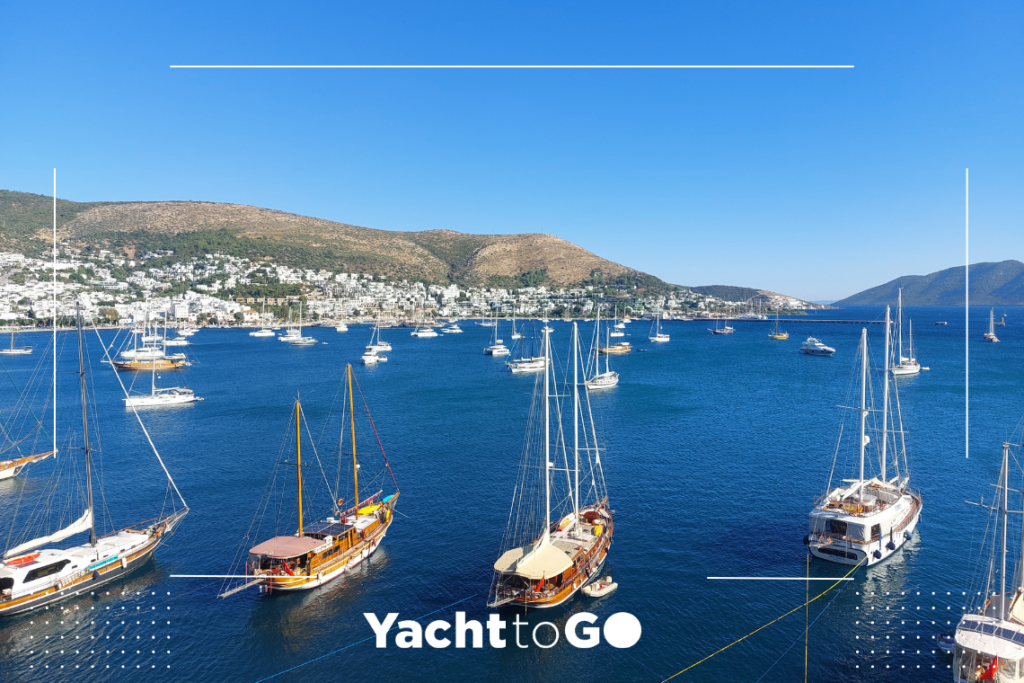
Le littoral turc est un avantage géographique. Si vous cherchez à connaître les réalités de la naviguer en Turquie ou en Grèce, Les Cyclades grecques sont situées au milieu de la mer Égée. Les Cyclades grecques se trouvent au milieu de la mer Égée. Elles sont frappées de plein fouet par le Meltemi. Les bateaux restent bloqués au port pendant des jours. La côte turque est différente. Elle est déchiquetée. Elle est parsemée de gouffres profonds et de péninsules massives orientées vers l'ouest.
Si nous quittons Bodrum par un fort vent du nord-ouest, nous n'allons pas vers le nord en direction de Yalıkavak. Nous allons vers le sud et l'est. Nous tombons dans le golfe de Gökova. La rive nord de ce golfe est protégée. Le vent souffle directement sur le sommet des montagnes. L'eau près du rivage reste plate. Nous pouvons naviguer pendant une semaine à l'intérieur de Gökova sans jamais prendre une vague directe sur la proue.
La péninsule de Bozburun est une autre forteresse. Elle protège le golfe d'Hisarönü. C'est pour ces détails que vous payez. Vous louez un bateau pour vous détendre, pas pour suivre un stage de survie. Un capitaine intelligent utilise la terre pour lutter contre le vent.
Nous partons tôt. La mer est plate et l'air est calme.
Adapter le voilier au vent
Le Meltemi n'est pas géré de la même manière par tous les bateaux. Si vous êtes location d'un voilier, Le capitaine peut même sourire lorsque le vent atteint 20 nœuds. Les voiliers monocoques sont construits pour s'incliner face au vent. Ils fendent le clapot. Une lourde goélette traditionnelle en bois, qui pèse 100 tonnes, navigue également en douceur. Elle pousse l'eau hors de son chemin.
Les yachts à moteur sont différents. Un yacht à moteur à plan incliné est rapide. Il peut filer à 20 nœuds. Mais s'il heurte une vague Meltemi de deux mètres à 20 nœuds, il tape fort. La course devient violente. C'est pourquoi les capitaines de yachts à moteur sont obsédés par l'horaire du matin. Nous utilisons notre vitesse pour dépasser le vent de l'après-midi. Nous parcourons 40 milles en deux heures alors que la mer est calme, puis nous restons au mouillage.
Les catamarans ont beaucoup de vent. Ils sont essentiellement un grand carré posé sur l'eau. Lorsque le vent souffle fort, ils ne roulent pas, mais ils oscillent d'un côté à l'autre. L'ancrage d'un catamaran dans une rafale de 30 nœuds requiert des compétences. Le capitaine doit utiliser beaucoup de chaîne et enfoncer l'ancre profondément dans la boue ou le sable épais.
La partie la plus difficile du travail d'un capitaine n'est pas de conduire le bateau. C'est de gérer les invités. Vous consultez un itinéraire en ligne. Jour 1 : Bodrum. Jour 2 : Datça. Jour 3 : Symi. Vous pensez qu'il s'agit d'un horaire de train. Ce n'est pas le cas. Il s'agit d'un scénario optimal.
Si le Meltemi souffle à 35 nœuds pendant trois jours, nous n'irons pas à Symi. Je ne mettrai pas mon équipage ou mes invités en danger. Je ne briserai pas le bateau. Au lieu de cela, nous changerons de cap. Nous trouverons une baie magnifique et tranquille derrière une haute falaise. L'équipage installera les jouets nautiques dans l'eau calme. Le chef cuisinera un repas incroyable. Vous passerez toujours des vacances de luxe. Vous les passerez simplement dans une baie différente de celle promise dans la brochure.
Respecter la mer. Faire confiance à l'équipage. Laisser la météo dicter le rythme. C'est la seule façon de naviguer en Méditerranée.
Les trois règles de la croisière pendant la saison du meltemi.
Fonctionnalité / Option
Principale différence
Confort Impact
Réalité des coûts
Croisière à 6h00
Mer plate, pas de clapot
Grand confort, sommeil en douceur
Efficacité énergétique, taux de combustion standard
Croisière à 15h00
Vent de face de 20-30 nœuds
Trajet difficile, embruns sur le pont
Des régimes plus élevés sont nécessaires, +15% de consommation de carburant
Ancrage sous le vent
Le vent qui bloque les montagnes
Eaux calmes, sûres pour les annexes
Aucun coût supplémentaire, nécessite des connaissances locales
La location de bateaux en toute simplicité.
Choisir un Yacht à GO où vous voulez ! Entrez en contact direct avec des propriétaires de yachts vérifiés sur l'ensemble de notre flotte mondiale.
Ou laisser notre Maîtres courtiers s'occupe de tous les détails. Trouver la solution idéale ne devrait pas être un fardeau. Sélectionnez ci-dessous le niveau de service qui vous convient le mieux pour une évasion maritime en toute transparence et sécurité.
Demandes de renseignements standard
Concierge de yacht
Pour connaître la disponibilité de la flotte, les procédures de réservation standard et les informations générales sur les itinéraires.
Pas si vous avez un capitaine expérimenté. Le vent lui-même est prévisible. Le danger ne survient que lorsque des opérateurs inexpérimentés tentent de traverser des chenaux ouverts aux heures où le vent souffle le plus fort. Nous gérons le risque en naviguant tôt le matin et en utilisant la protection naturelle du littoral turc.
Le vent peut-il gâcher ma location de yacht de luxe ?
Non. En fait, le vent permet de supporter la chaleur de l'été. Sans lui, le mois d'août serait incroyablement humide et chaud. Un capitaine avisé adaptera votre routine quotidienne de manière à ce que vous soyez ancré dans des eaux plates et calmes lorsque le vent souffle le plus fort. Vous pourrez toujours vous baigner, manger et vous détendre sur le pont.
Quels sont les mois où les vents Meltemi sont les plus forts ?
Le Meltemi commence généralement à la mi-juin. Il atteint son intensité maximale en juillet et en août. Au cours de la deuxième quinzaine de septembre, les conditions météorologiques changent et les forts vents du nord-ouest commencent à s'estomper. Si vous préférez un air complètement calme, la fin du mois de septembre ou le mois d'octobre sont des choix plus judicieux.
Avec des racines maritimes établies en 1994, je suis un maître marin, un courtier d'élite en location de bateaux et le directeur général de YachttoGO et de NOMAD Group.
Basé à Göcek, Fethiye, Turquie, je suis spécialisé dans la location de bateaux de classe mondiale, l'aviation et les expériences de conciergerie VIP dans toute la Méditerranée orientale.
Ma vision est de rendre la location de bateaux transparente et accessible, en élevant YachttoGO au rang des 10 premières places de marché maritime au monde. Que vous recherchiez un yacht à moteur VIP ou une goélette classique, mon équipe et moi-même nous consacrons à la conception de votre ultime escapade maritime.
Postes connexes
Croisière de 4 jours en yacht de Göcek à Fethiye avec découverte de la région | YachttoGO
Points clés : Croisière de 4 jours en yacht de Göcek à Fethiye avec exploration terrestre. Durée de fonctionnement du moteur limitée : cet itinéraire de croisière lente limite le temps de transit quotidien... Lire la suite
Le guide ultime de l'avitaillement des bateaux de location et des fiches de préférence des VIP
Journal de bord du capitaine : Ce qu'il faut savoir sur l'avitaillement des bateaux de plaisance 1. La règle des 21 jours : votre liste de préférences doit être... Lire la suite
Trawler vs. Motor Yacht Charter : efficacité énergétique, autonomie et navigabilité
Journal de bord du capitaine : Ce qu'il faut savoir sur la location d'un chalutier ou d'un yacht à moteur 1. La physique de la vitesse : Pousser un bateau de 60 tonnes... Lire la suite


 par
par 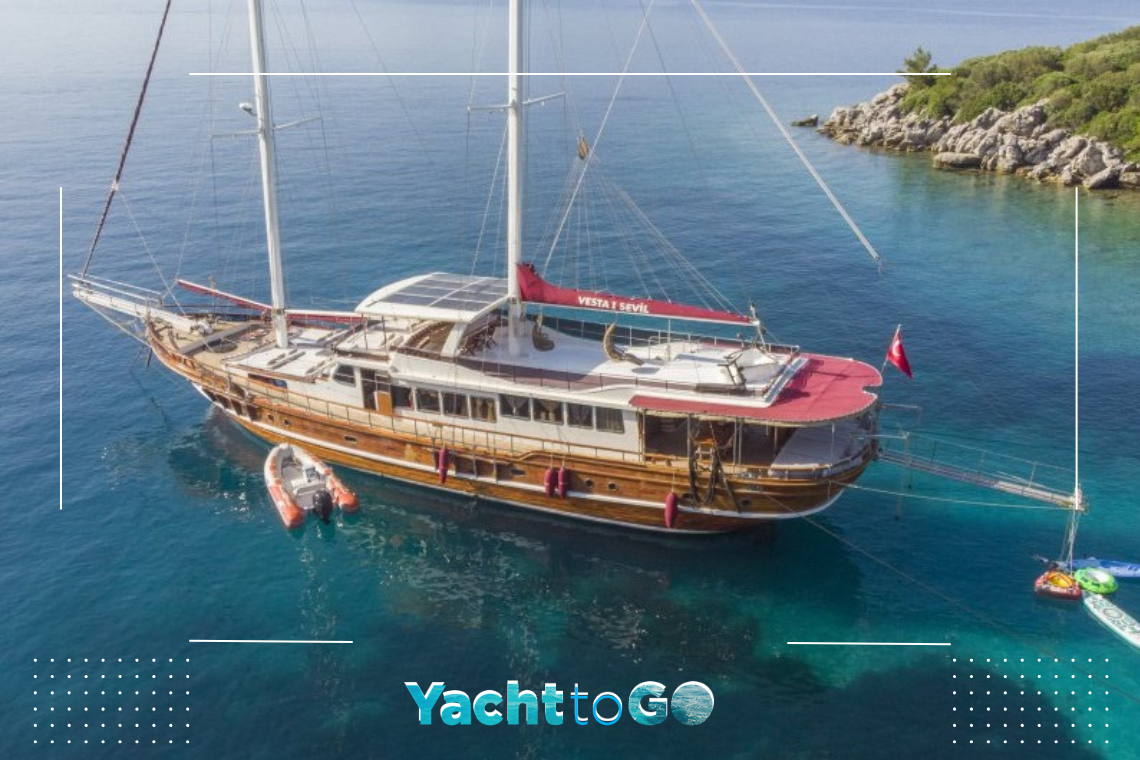
Participez à la discussion