Logbuch des Kapitäns: Was Sie über die Charter eines Trawlers im Vergleich zu einer Motoryacht wissen müssen
1. Die Physik der Geschwindigkeit: Das Überfahren der Bugwelle mit einem 60 Tonnen schweren Boot mit 22 Knoten verbraucht enorme Mengen Diesel. Die Gesetze der Physik fordern ihren Tribut.
2. Die Komfort-Realität: Trawler liegen tief im Wasser. Motoryachten liegen obenauf. Wenn der Wind zunimmt, rollt der tiefe Rumpf weniger.
3. Die Route diktiert das Boot: Mieten Sie kein schnelles Gleitboot für eine gemächliche, zweiwöchige Fahrt durch einen einzigen Golf. Passen Sie den Stahl dem Zeitplan an.
“Kapitän, ich möchte schnell fahren, aber ich weigere mich, 1.400.000 TP pro Tag nur für Diesel zu bezahlen.” Das höre ich jeden Dienstag. Gäste sehen ein elegantes 24-Meter-Boot und träumen davon, über das Wasser zu fliegen. Dann sehen sie die Kostenaufstellung für Treibstoff und sind schockiert. Man kann den Ozean nicht überlisten. Wer Geschwindigkeit will, zahlt an der Zapfsäule. Wer Reichweite und Stabilität will, tauscht die Höchstgeschwindigkeit gegen einen schweren, tiefen Rumpf. Die Wahl zwischen einem Trawler und einer Standard-Motoryacht verändert Ihren gesamten Urlaub. Lassen Sie mich Ihnen erklären, wie Rumpfform, Motorblock und Stabilisatoren Ihre Zeit auf dem Wasser beeinflussen.
⚓ Briefing von Kapitän Hüseyin
Wer die offene, windige Strecke nahe Kap Kurdoğlu überqueren möchte, ist mit dem schweren Verdrängerrumpf eines Trawlers bestens gerüstet. Wer hingegen nur schnell von der Marina Göcek zur Insel Yassıca vor Sonnenuntergang gelangen will, ist mit einer Motoryacht besser beraten.
Die Physik des Schiffsrumpfs: Verdrängung vs. Gleitfahrt
Wasser ist sehr dicht. Um sich darin fortzubewegen, muss ein Boot entweder das Wasser aus dem Weg schieben oder auf das Wasser steigen. Das ist der grundlegende Unterschied zwischen diesen beiden Schiffen. Ein Trawler verwendet eine Verdrängungsrumpf. Es liegt tief im Wasser. Sein Bug ist scharf. Es schneidet sauber durch die Wellen. Es versucht nie, sich aus dem Wasser zu heben. Deshalb benötigt es nur sehr wenig Motorleistung, um eine konstante Geschwindigkeit von 10 Knoten zu halten.
Eine Standard-Motoryacht verwendet eine Gleitrumpf. Bei niedrigen Geschwindigkeiten verdrängt es das Wasser wie ein Trawler, allerdings sehr ineffizient. Sobald der Kapitän die Gashebel durchdrückt, heulen die beiden Motoren auf. Die enorme Kraft hebt den Bug hoch in die Luft. Das Boot überwindet seine eigene Bugwelle und legt sich flach auf das Wasser. Dadurch sind Geschwindigkeiten von 20 bis 30 Knoten möglich. Der Energieaufwand, um diesen Auftrieb zu erzeugen, ist jedoch enorm. Wenn Sie unsere Website besuchen, ... Motoryacht-Charter Optionen in unserer geprüften globalen Flotte zu nutzen, müssen Sie diese physikalische Realität verstehen.
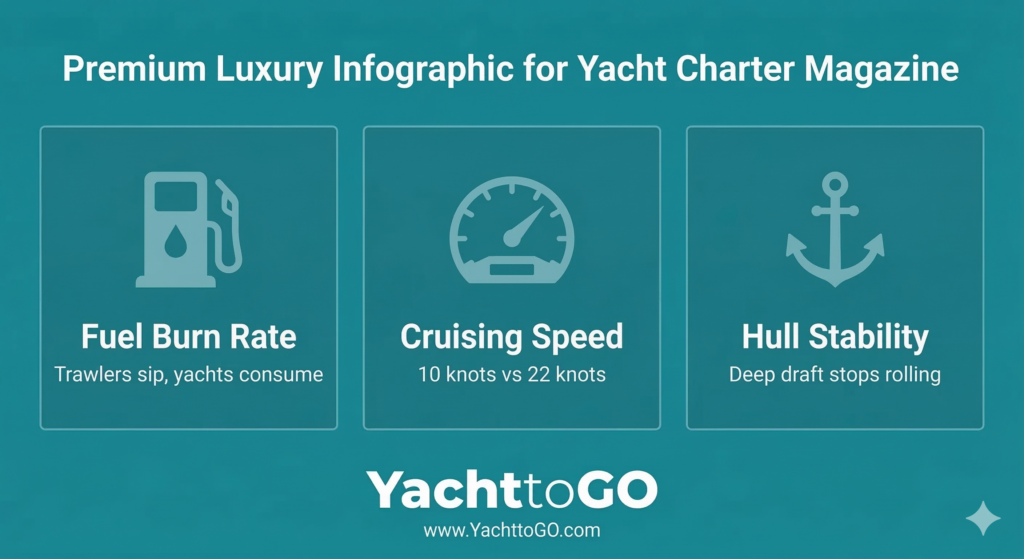
Die Physik des Yachtrumpfs: Ein kurzer Vergleich von Verdrängungs- und Gleitrümpfen, der die Kompromisse zwischen Treibstoffeffizienz, Reisegeschwindigkeit und Fahrstabilität hervorhebt.
Kraftstoffverbrauchsraten: Die brutale Wahrheit
Werfen wir einen Blick auf den Maschinenraum. Hier wird Ihr Budget ausgegeben. Ein moderner Trawler ist oft auf hocheffiziente Motoren mit niedrigen Drehzahlen angewiesen. Denken Sie an einen soliden Volvo Penta Schiffsmotor oder ein einzelner, hochbelastbarer kommerzieller Block. Bei einer Reisegeschwindigkeit von 10 Knoten verbraucht ein 70-Fuß-Trawler etwa 40 bis 60 Liter Diesel pro Stunde. Er verbraucht wenig Kraftstoff. Der Aktionsradius ist enorm. Sie können die Tanks in Marmaris füllen und zwei Wochen lang nicht an den Kraftstoff denken.
Betrachten Sie nun eine schnittige 70-Fuß-Gleitjacht. Um 22 Knoten zu erreichen, braucht sie viel Leistung. Sie wird wahrscheinlich zwei V12-Motoren haben, oft von Herstellern wie MTU. Wenn die Turbos hochgefahren werden und das Boot in die Luft geht, steigt der Kraftstoffverbrauch in die Höhe. Bei 22 Knoten könnte das Boot 350 bis 450 Liter pro Stunde verbrauchen. Die Rechnung ist einfach. Eine Betriebsstunde kostet etwa zehnmal so viel wie ein Trawler. Wenn Sie die Geschwindigkeit wollen, kaufen Sie den Diesel. Ich urteile nie über die Wahl, aber ich bestehe darauf, dass die Gäste die Zahlen kennen, bevor sie an Bord gehen.
Seetüchtigkeit: Der Kampf gegen den Kahlschlag
Die Ägäis kümmert sich nicht um Ihren Reiseplan. Der Meltemi-Wind am Nachmittag peitscht scharfe, steile Wellen auf. Wie das Boot mit diesem Seegang umgeht, entscheidet über Ihren Komfort. Ein schwerer Trawler mit seinem tiefen Tiefgang und dem niedrigen Schwerpunkt verhält sich wie ein Pendel. Er hält die Spur. Der scharfe Bug teilt die Wellen. Sie spüren eine gleichmäßige, vorhersehbare Bewegung. Die Teller bleiben auf dem Tisch. Sie können an Deck gehen, ohne sich an den Handläufen festzuhalten.
Eine Gleitmotoryacht ist leichter. Ihr Rumpf ist am Heck flacher, damit sie die Wasseroberfläche sanft berührt. Wenn man mit einem Gleitrumpf bei 20 Knoten auf 1,5 Meter hohe Wellen trifft, spürt man den Aufprall deutlich. Das Boot schlägt in die Wellentäler. Die Vibrationen lassen die Innenschotten wackeln. Man hört, wie sich das Fiberglas biegt. Ein umsichtiger Kapitän drosselt die Geschwindigkeit auf 10 Knoten, um das Boot und die Mägen der Gäste zu schonen. Man sollte jedoch bedenken, dass ein Gleitrumpf bei niedrigen Geschwindigkeiten sehr ineffizient ist. Er neigt dazu, stärker zu rollen und zu schaukeln als ein Trawler, wenn er gezwungen ist, langsam zu fahren.
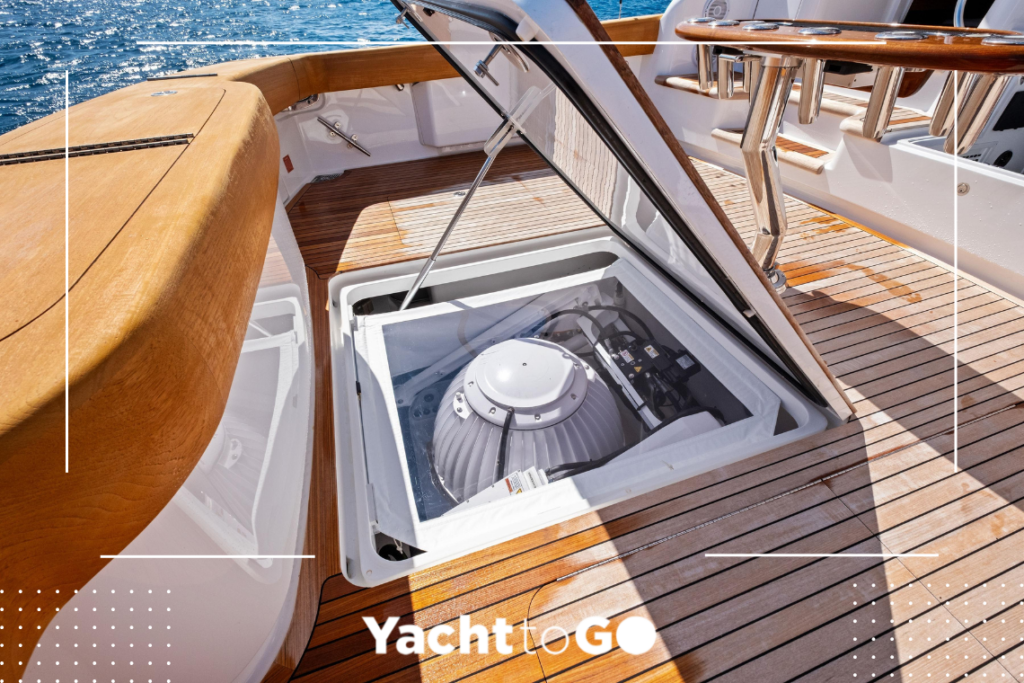
Stabilisatoren mit Nullgeschwindigkeit verhindern das Rollen des Ankers und sorgen so für eine ruhige und komfortable Nachtruhe.
Die Ankerrolle und die gyroskopischen Stabilisatoren
Der wahre Komforttest kommt nachts. Man wirft den Anker in einer Bucht. Eine Dünung rollt von einer vorbeifahrenden Fähre heran. Das Boot beginnt zu schaukeln. Das ist das Ankerrollen. Da ein Trawler einen runderen, tieferen Rumpf hat, kann er vor Anker manchmal stärker rollen als eine Motoryacht mit flachem Boden. Die Schiffstechnik hat dieses Problem jedoch gelöst.
Wenn Sie unser Trawlercharter Flotte, suchen Sie nach dem Wort “Stabilisatoren”. Insbesondere gyroskopische Stabilisatoren mit Nullgeschwindigkeit, wie die von Seewächter. Diese massiven, rotierenden Kugeln sitzen tief im Rumpf. Sie wirken den physikalischen Gesetzen der Wellen entgegen. Ein stabilisierter Trawler liegt selbst in einem unruhigen Ankergebiet völlig flach im Wasser. Sie schlafen ruhig. Ihr Kaffee bleibt in der Tasse. Auch Motoryachten verfügen über solche Stabilisierungssysteme, diese erhöhen jedoch das Gewicht. Wenn Ihnen Komfort wichtiger ist als Höchstgeschwindigkeit, sollten Sie unbedingt auf ein stabilisiertes Schiff bestehen.
Lärm-, Vibrations- und Maschinenraumisolierung
Der Komfort der Gäste hängt nicht nur von der Bewegung ab, sondern auch vom Geräuschpegel. Wenn die beiden 1.500 PS starken Motoren unter dem Hauptdeck einer schnellen Motoryacht anspringen, spürt man das Dröhnen unter den Füßen. Der Auspuffsound ist laut. Selbst mit exzellenter Schalldämmung weiß man, dass man sich auf einem schnellen Gefährt befindet. Es fühlt sich aggressiv an. Für manche ist genau das der Reiz. Für andere ist es nach vier Stunden einfach nur anstrengend.
Der Maschinenraum eines Trawlers ist eine ganz andere Welt. Die Motoren laufen mit niedrigeren Drehzahlen. Die Hersteller verwenden dicke Schichten Akustikschaum und Bleiisolierung. Wenn ein moderner Trawler mit 10 Knoten fährt, hört man oft nur noch das Plätschern des Wassers am Bug. Das gleichmäßige, tiefe Brummen der einzelnen oder beiden Dieselmotoren wird zum Hintergrundgeräusch. Es ist eine ruhigere, entspanntere Art zu reisen.
Routenplanung: Hisarönü-Golf vs. Göcek
Das Boot muss der Karte entsprechen. Wer den Golf von Hisarönü von Datça bis Bozburun erkunden möchte, muss mit weiten, offenen Gewässern und starken Nachmittagswinden rechnen. Die Entfernungen zwischen den abgelegenen Buchten sind größer. Hier sind Trawler gefragt. Man stellt den Autopiloten auf 10 Knoten ein, nimmt auf der Flybridge Platz und lässt den schweren Rumpf die Arbeit erledigen. Dank der großen Reichweite spart man sich den halben Tag für einen Tankstopp.
Umgekehrt betrachtet, ist die Göcek-Flotte Routen. Die Bucht von Fethiye ist gespickt mit Inseln, die nur wenige Kilometer voneinander entfernt liegen. Das Wasser ist größtenteils geschützt. Hier ist eine schnelle Motoryacht ideal. Man kann in einer Bucht aufwachen, die Motoren starten, in 15 Minuten zu einem Strandclub zum Mittagessen düsen und anschließend zu einer anderen Bucht zum Abendessen rasen. Das schnelle Wechseln zwischen den Buchten rechtfertigt den Gleitrumpf. Da man nur sehr wenig Zeit tatsächlich unter Wasser verbringt, fällt der hohe Treibstoffverbrauch pro Stunde für das Gesamtbudget weniger ins Gewicht.
Schnelle Yachten verschlingen Geld. Trawler verbrauchen wenig Treibstoff. Die Zahlen lügen nicht.
Die endgültige Entscheidung über das Dock treffen
Ich sage jedem Kunden dasselbe: Mieten Sie keinen Trawler, wenn Sie ungeduldig sind. Mieten Sie keine Gleitmotoryacht, wenn Sie laute Motoren und hohe Treibstoffkosten hassen. Ein Trawler ist ein schwimmendes Zuhause. Er ist auf Ausdauer, Stabilität und viel Platz ausgelegt. Eine Motoryacht ist wie ein Sportwagen. Sie ist auf Dynamik, Geschwindigkeit und einen straffen Zeitplan ausgelegt. Wägen Sie die Fakten ab, prüfen Sie Ihr Budget für Dieselkraftstoff und buchen Sie das Boot, das zu Ihren Bedürfnissen passt. Das Meer kennt keine Kompromisse, und Ihre Wahl des Schiffes sollte es auch nicht.
Oder lassen Sie unsere Master-Broker um jedes Detail kümmern. Die Suche nach dem perfekten Partner sollte keine Last sein. Wählen Sie unten Ihr bevorzugtes Serviceniveau für eine nahtlose, sichere und geschützte Flucht auf See.
Standard-Anfragen
Yacht-Concierge
Für die Verfügbarkeit der Flotte, Standardbuchungsverfahren und allgemeine Informationen zur Reiseroute.
Ist ein Trawler bei rauer See besser zurecht als eine Motoryacht?
Ja. Trawler haben einen Verdrängungsrumpf. Das bedeutet, sie liegen tief im Wasser und schneiden durch die Wellen, anstatt über sie zu hüpfen. Sie bieten eine deutlich stabilere und berechenbarere Fahrt bei starkem Wind oder unruhiger See und sind daher ideal für Gebiete mit starkem Seitenwind.
Wie viel Geld spare ich mit einem Trawler an Treibstoff?
Die Einsparungen sind enorm. Eine schnelle Motoryacht, die mit 22 Knoten fährt, verbraucht leicht 300 bis 400 Liter Diesel pro Stunde. Ein ähnlich großer Trawler, der mit 10 Knoten fährt, verbraucht hingegen nur etwa 40 bis 60 Liter pro Stunde. Bei einer täglichen Fahrt von 3 Stunden über eine Woche hinweg senkt ein Trawler Ihre Treibstoffkosten deutlich.
Was sind gyroskopische Stabilisatoren, und brauche ich sie?
Kreiselstabilisatoren, wie sie beispielsweise von Seakeeper hergestellt werden, sind rotierende Einheiten im Rumpf, die das seitliche Rollen des Bootes verhindern. Wenn Sie zu Seekrankheit neigen oder es Sie einfach stört, wenn Ihr Kaffee verschüttet wird, sobald ein anderes Boot an Ihrem Ankerplatz vorbeifährt, sollten Sie unbedingt ein Boot mit Nullgeschwindigkeitsstabilisatoren wählen.
Mit maritimen Wurzeln seit 1994 bin ich ein Master Mariner, ein Elite-Yachtcharter-Broker und der Geschäftsführer von YachttoGO und der NOMAD Group.
Mit Sitz in Göcek, Fethiye, Türkei, habe ich mich auf die Vermittlung von Weltklasse-Yachtcharter, Luftfahrt und VIP-Concierge-Erlebnissen im östlichen Mittelmeer spezialisiert.
Meine Vision ist es, das globale Yachtchartergeschäft nahtlos und zugänglich zu machen und YachttoGO in die Top 10 der weltweiten maritimen Marktplätze zu bringen. Ganz gleich, ob Sie eine VIP-Motoryacht oder eine klassische Gulet suchen, mein Team und ich widmen uns der Gestaltung Ihrer ultimativen maritimen Flucht.
Verwandte Beiträge
Navigieren auf dem Meltemi: Windmuster und sicherste Routen in der Ägäis
Logbuch des Kapitäns: Was Sie über die Yachtcharter-Versicherung wissen müssen 1. Die Geldfalle: APA zahlt für Ihren Treibstoff und Ihr Essen.... Mehr lesen


 von
von 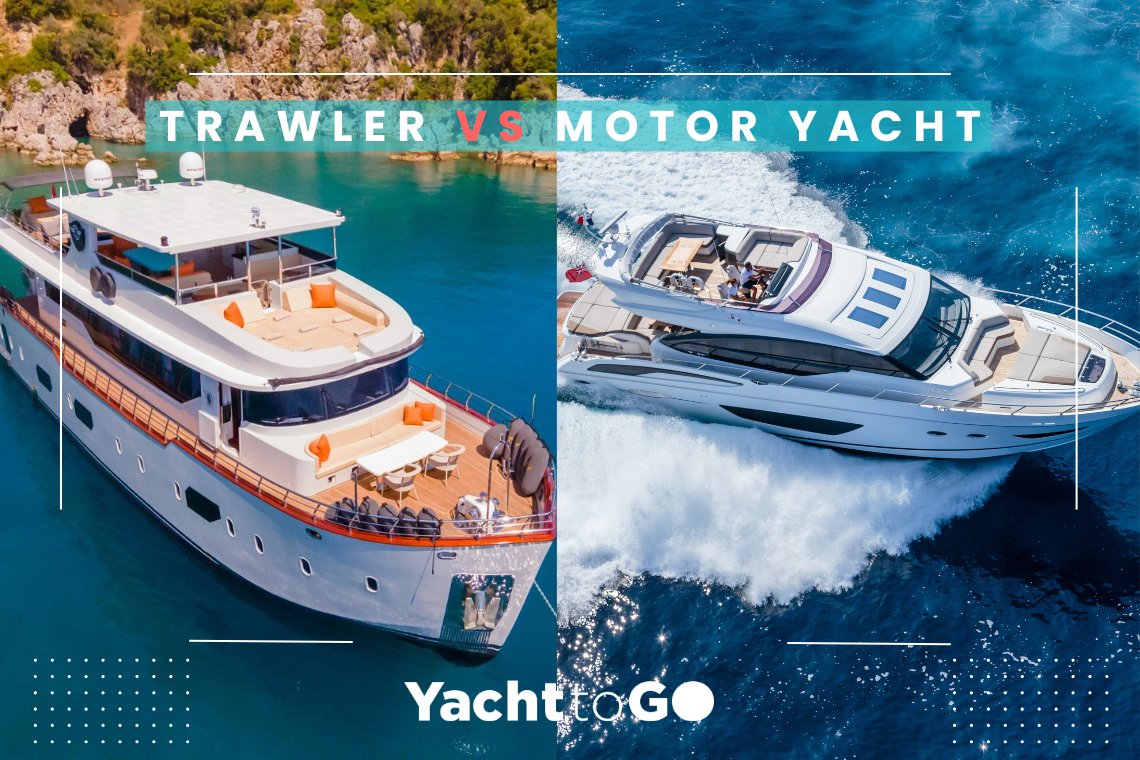


Beteiligen Sie sich an der Diskussion