
Trawler
Trawler
- Sortiere nach:
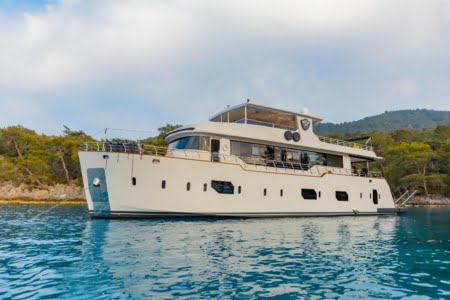
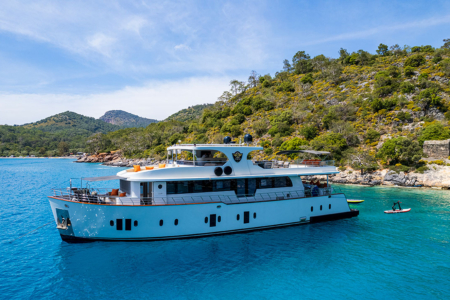

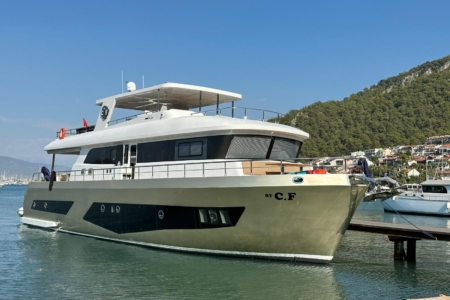
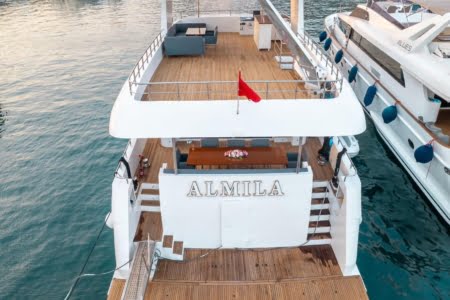

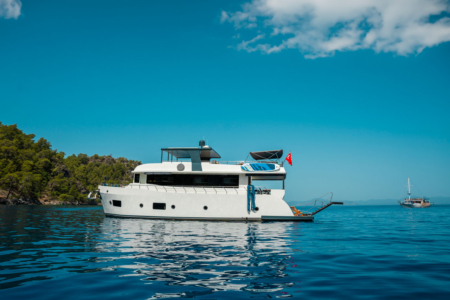
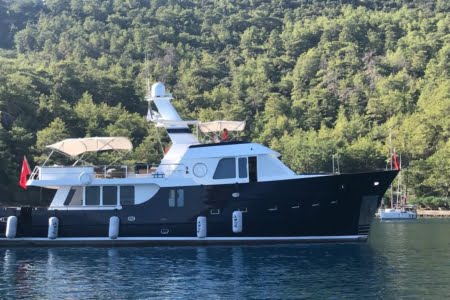

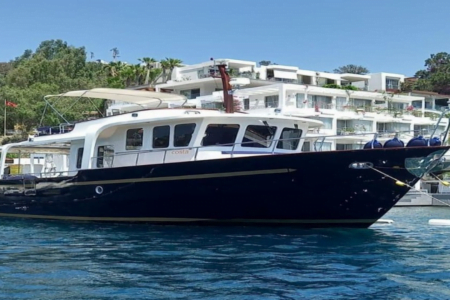

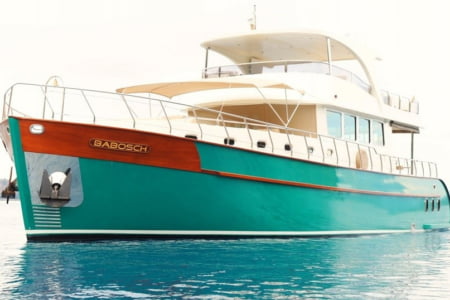
Langstrecken-Ausdauer: Trawler-Charter- und Vermietungsbetriebe
- Schwerverdrängungsrümpfe: Entwickelt, um schwere Wellen zu durchschneiden, anstatt über sie hinwegzufahren, bietet es eine unübertroffene Stabilität im Stand und während der Fahrt bei widrigen Wetterbedingungen.
- Maximale Ausdauer: Entwickelt für höchste Treibstoffeffizienz bei niedrigen Reisegeschwindigkeiten (typischerweise 8 bis 12 Knoten), was eine größere autonome Reichweite ohne häufige Tankstopps ermöglicht.
- Hohes Innenvolumen: Die tiefe Rumpfarchitektur bietet massiven Wohnraum im Inneren, übergroße Kombüsen und robuste Maschinenräume für technische Zugänglichkeit.
- Bereit für die Expedition: Die optimale Wahl für Langzeit-Offshore-Einsätze und mehrwöchige Küstenexplorationen.
Trawler-Technik & -Leistungen:
- Die Kommandobrücke: Typischerweise verfügen Trawler über ein geschlossenes, erhöhtes Steuerhaus (portugiesische Brücke), das mit robusten kommerziellen Navigationsanlagen ausgestattet ist und es dem Kapitän ermöglicht, das Schiff bei allen Seegangsbedingungen sicher zu steuern.
- Mechanische Redundanz: Konzipiert für Isolation. Diese Schiffe sind mit überdimensionierten Dieselmotoren mit niedriger Drehzahl, redundanten Generatorsystemen und leistungsstarken Wasseraufbereitungsanlagen ausgestattet, um den autarken Betrieb in abgelegenen Gebieten zu gewährleisten.
- Komfort bei jedem Wetter: Das hohe Eigengewicht und der hohe Bug verhindern, dass das Schiff gegen die Wellen schlägt. In Verbindung mit aktiven Stabilisatoren bietet ein Trawler eine ruhige und gleichmäßige Fahrt und ist somit die bevorzugte Wahl für Gäste, die Komfort der Geschwindigkeit vorziehen.
Häufig gestellte Fragen (FAQ)
1. Wie schnell fährt ein typischer Trawler?
Im Gegensatz zu schnell gleitenden Motoryachten, die Geschwindigkeiten von über 20 Knoten erreichen, operiert ein traditioneller Verdrängertrawler mit einer hocheffizienten Rumpfgeschwindigkeit, üblicherweise zwischen 8 und 12 Knoten. Dieses gemächliche Tempo reduziert den Treibstoffverbrauch erheblich und erhöht die Reichweite des Schiffes.
2. Sind Trawler für die Navigation in flachen Gewässern geeignet?
Es kommt auf die jeweilige Konstruktion an, aber im Allgemeinen haben Trawler aufgrund ihrer schweren Rümpfe und Schutzkiele einen größeren Tiefgang als Katamarane. Sie sind primär für die Stabilität in tiefen Gewässern und für Fahrten auf offener See ausgelegt und weniger für die Navigation in flachen Riffgebieten.