Avete affittato o noleggiato un'imbarcazione per il vostro primo viaggio in barca in Turchia?
Congratulazioni! Sarà emozionante.
Oppure hai dei dubbi?
Quindi, con l'aiuto di questo articolo, sentirai l'atmosfera sulla barca. Inoltre, discuteremo delle sottigliezze che i marinai principianti incontrano più spesso prima del loro primo viaggio in mare.
Iniziamo?
Abbiamo bisogno di un equipaggio durante il nostro viaggio in barca in Turchia?
Tieni presente che non ci sono passeggeri quando sali a bordo di una barca. Sono ammessi solo i membri della squadra.
In altre parole, i passeggeri non possono lasciare il ponte e interferire con la gestione dell'imbarcazione. Mentre i membri del team sono in grado di governare la barca e persino di salire sull'albero maestro. Con il permesso del capitano, ovviamente:)
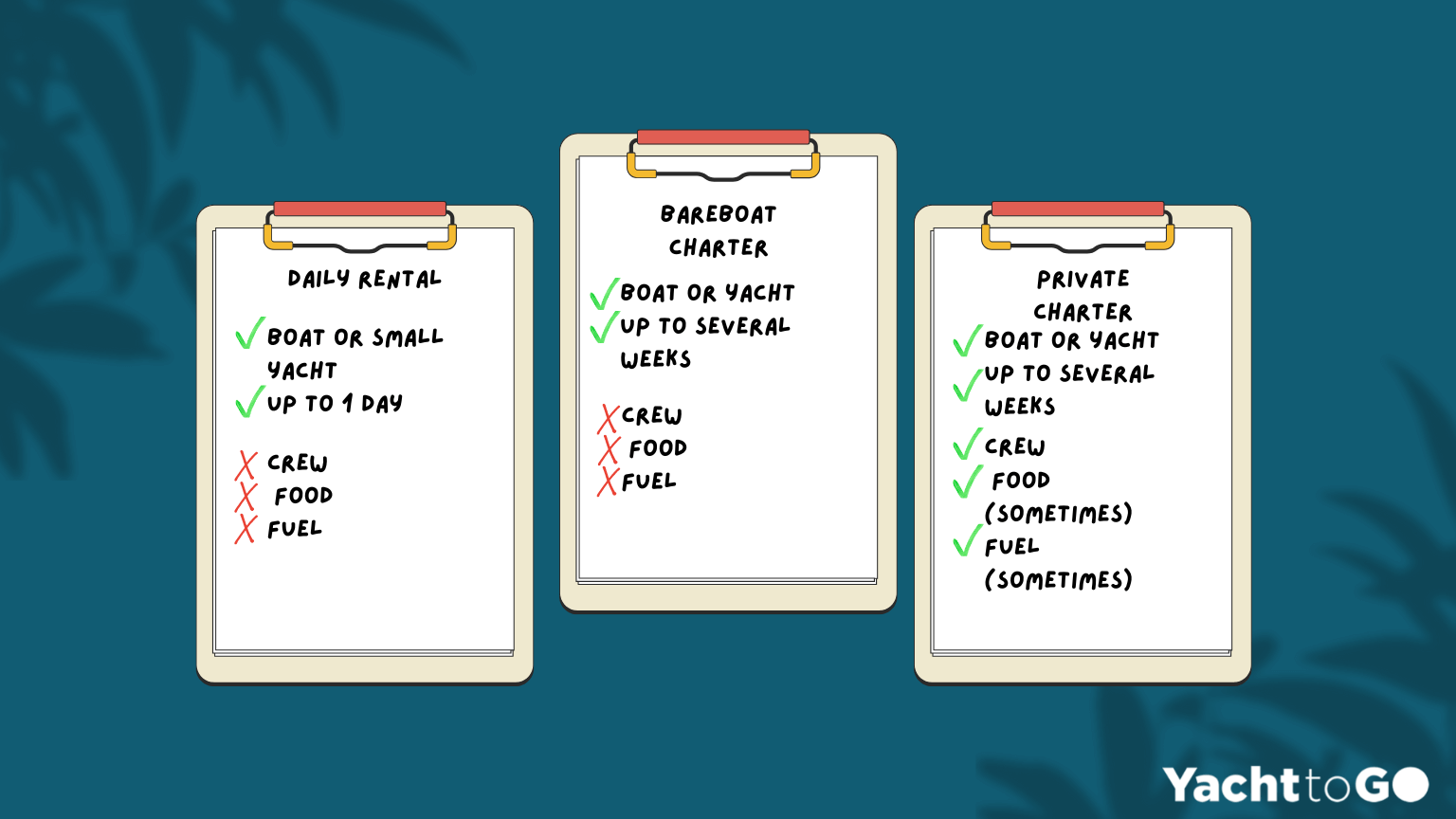
Se non avete i certificati e le licenze per condurre un'imbarcazione marittima, dovete assumere un capitano.
Ma il noleggio con equipaggio comprende i servizi del capitano e dei membri dell'equipaggio.
Quindi il capitano, chi è?
Il capitano è la persona responsabile dell'andamento del viaggio. E per molti versi, dipende dalla sicurezza dello yacht. Pertanto, ascoltate attentamente e cercate di seguire le raccomandazioni.
E l'esperienza più emozionante verrà con te :)
Possiamo annegare?
Le imbarcazioni di YachttoGO non possono capovolgersi a causa delle loro caratteristiche. E se il tempo non è adatto a una navigazione sicura, il capitano semplicemente non esce in mare. Giubbotti di salvataggio, cassetta degli attrezzi, estintori, walkie-talkie e fumogeni sono sempre a bordo. Di norma, questo set non è necessario.
Ma ti consigliamo di scoprire la posizione di tutte queste cose. Nel caso in cui.
Abbiamo bisogno di un'assicurazione per un viaggio in barca in Turchia?
La crociera in yacht è uno degli sport più sicuri. Ma le compagnie assicurative lo classificano come sport estremo. Vi consigliamo di acquistare un'assicurazione sportiva estesa, in cui la nautica da diporto è indicata come uno sport coperto da tale assicurazione.
Come è solitamente disposto uno yacht o una barca all'interno?
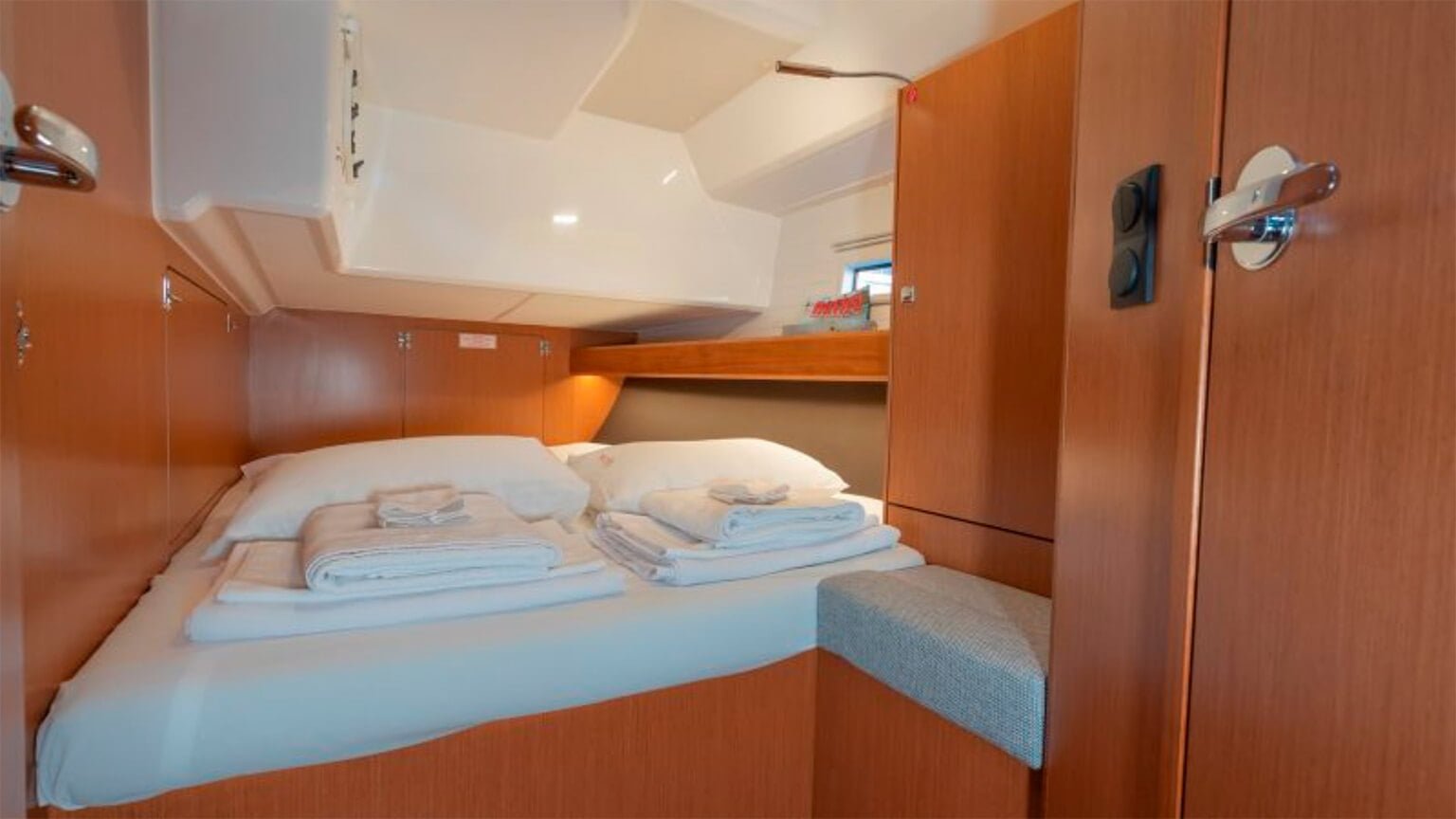
Cabine
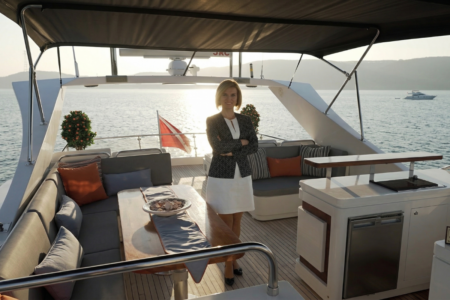
Una moderna nave da crociera è una casa accogliente e studiata. Dispone di camere (cabine), un soggiorno, due o più bagni (ciascuno con doccia, lavabo e toilette), acqua calda e fredda e una cucina.
Inoltre, c'è abbastanza spazio per tutti per rilassarsi nella cabina di pilotaggio, prendere il sole sul ponte e nuotare dalla piattaforma della cabina di pilotaggio posteriore.
Vivere su una barca da crociera è come avere la propria casa o appartamento sull'acqua. Ma la vista della finestra è l'unica eccezione perché puoi cambiarla quando vuoi.
In tutta l'imbarcazione sono presenti spazi interni accoglienti con soffitti di altezza confortevole. In genere, la cabina è costituita da un grande letto matrimoniale con spazio antistante. E con numerosi scaffali e armadietti.
Consiglio: evitate valigie grandi in favore di uno zaino o di una borsa morbida. Le valigie rigide di grandi dimensioni potrebbero non adattarsi allo spazio disponibile.
Cucina
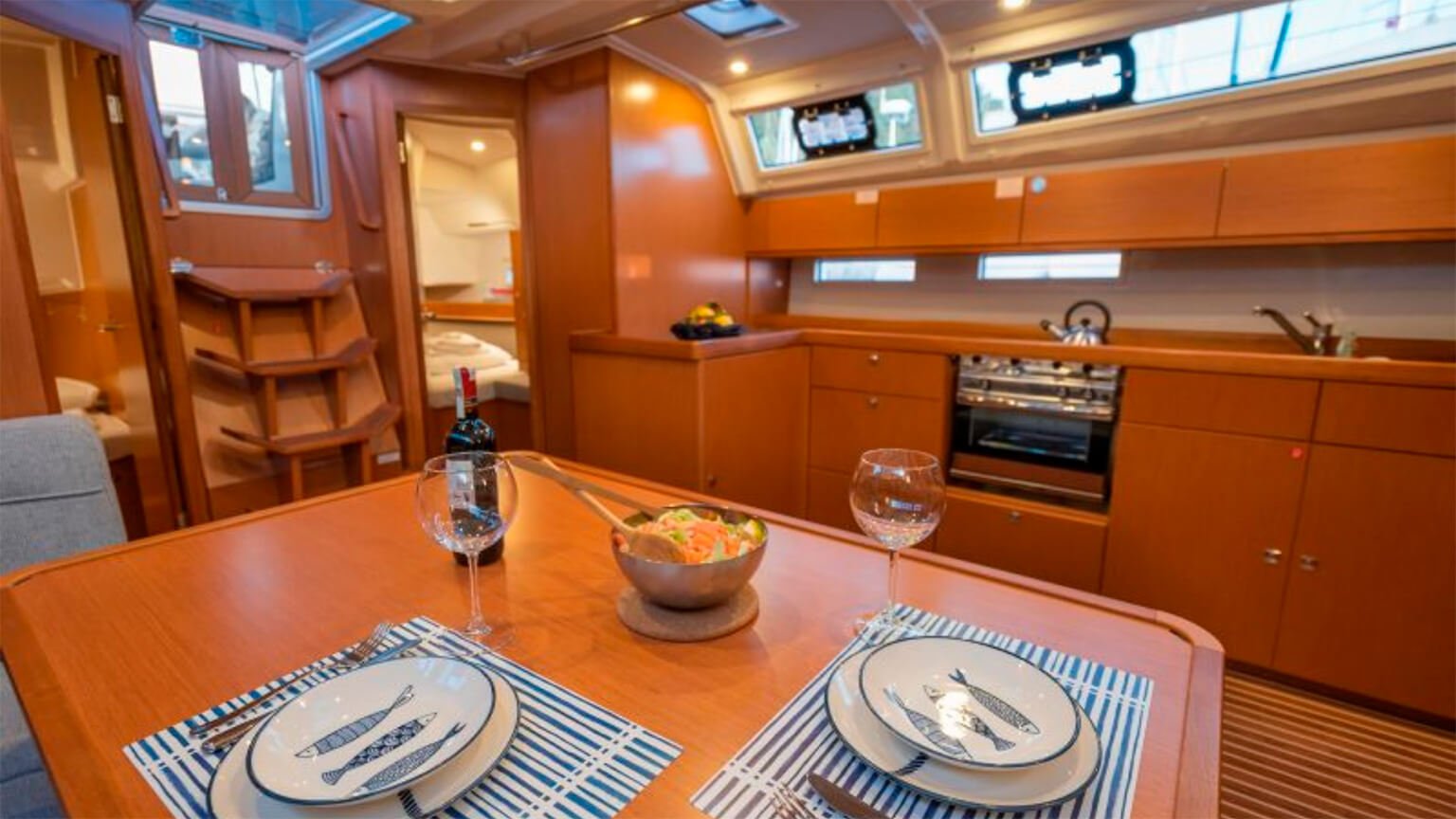
La cucina della barca è simile a quella di casa. È dotata di fornelli con forno, frigorifero, stoviglie e, di solito, lavastoviglie.
Ma tenete presente che lo yacht dondola a causa delle onde. Tutto ciò che non viene riparato inevitabilmente crollerà. E tutto dovrebbe essere sistemato in scatole o cassetti.
Ma i catamarani fanno eccezione perché sono più stabili.
Tutti gli armadietti e i cassetti della barca sono dotati di chiusure. Assicuratevi sempre che siano chiusi. In vacanza, non volete passare il tempo a raccogliere oggetti che volano per la barca:)
Il fornello è stato progettato in modo tale da poter cucinare mentre
sbandamento. Ma i piatti devono essere fissati con morsetti speciali.
Il WC e la doccia
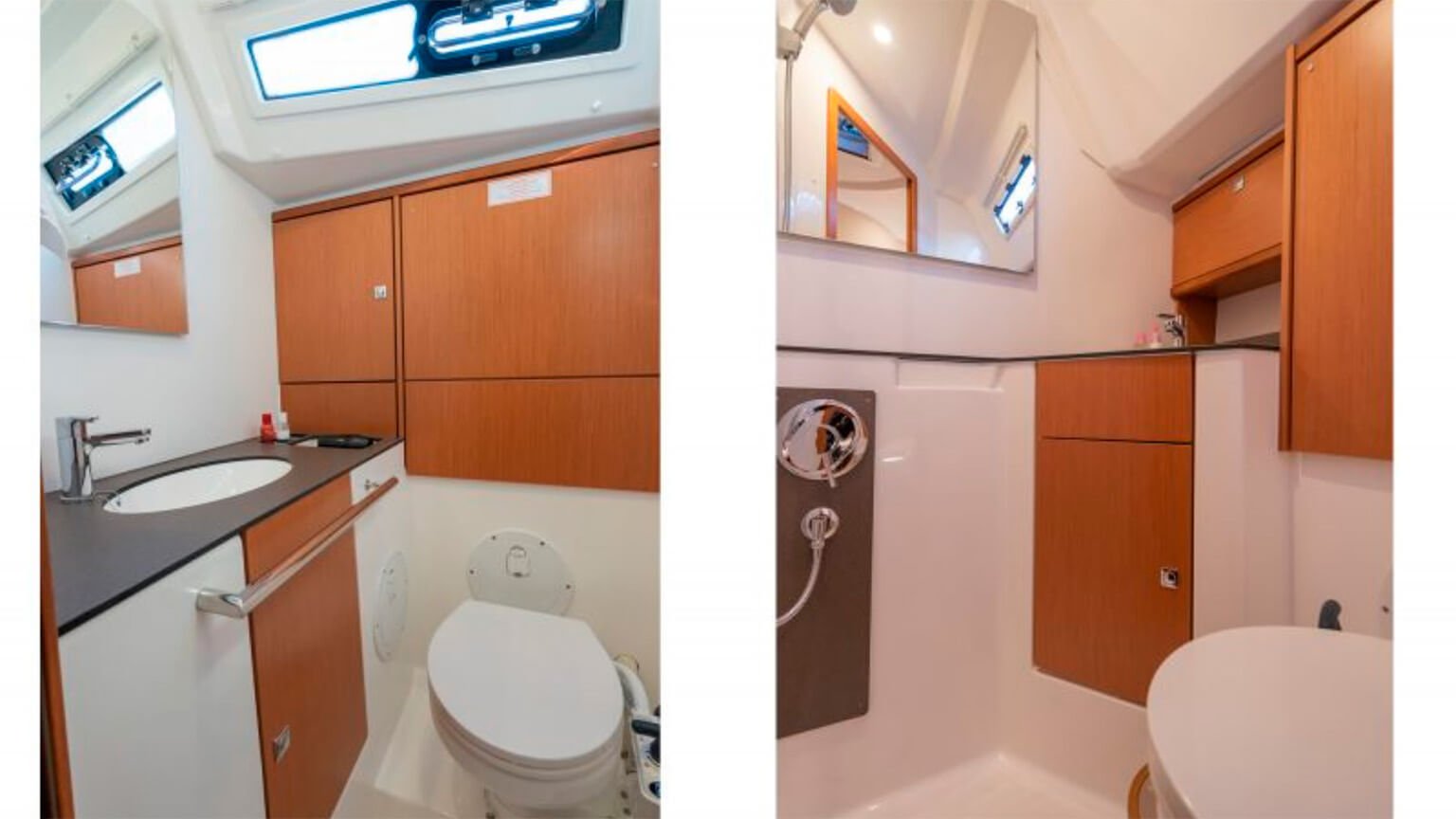
La barca è sempre dotata di acqua dolce e di due o più bagni (ognuno con doccia, lavabo e wc). Ma tutto è un po’ più complicato che a casa:
- L'acqua è conservata in serbatoi. Se l'acqua è finita, bisogna informare il capitano. Il capitano provvederà a cambiare il serbatoio. In caso contrario, la pompa dell'acqua potrebbe bruciarsi.
- Non gettare oggetti estranei nel WC. Anche i più piccoli.
- Nei porti turistici, consigliamo di utilizzare la toilette e la doccia a terra. In fondo, sulla terraferma non ci sono le stesse restrizioni di una nave. E ci sono asciugacapelli, grandi specchi e un flusso infinito di acqua calda:)
Cosa mangeremo durante il nostro viaggio in barca in Turchia?
Spesso il cibo viene cucinato sulla barca. È consigliabile acquistare i prodotti il primo giorno. Inoltre, acquistate gli alimenti deperibili come la carne e le verdure solo per la prima volta. Ricordate che il frigorifero sulle barche è generalmente piccolo.
- Non acquistare generi alimentari per l'intero viaggio in una volta. Le città costiere spesso ti tentano con i loro ristoranti e caffè. E il cibo può andare a male.
- Scegliete prodotti che potete portare con voi. Dopotutto, una carne sottovuoto o un pacchetto di biscotti è molto più piacevole da portare con sé che buttarli via.
- Scegli pasti semplici, facili e veloci da preparare per tutto il team.
Quanto costa una gita in barca in Turchia?
A seconda della regione e della stagione, una persona spende in media 150-250 euro a settimana. Questo prezzo include il cibo, il parcheggio nei porti turistici e il gasolio.
Come dovremmo vestirci?
Non ti sveleremo un segreto se ti diciamo di portare magliette, pantaloncini e costumi da bagno.
Ma vi consigliamo di portare anche scarpe chiuse con suola antiscivolo, cappello e impermeabile. E tieni presente che le scarpe con il fondo nero possono segnare il pavimento della barca, quindi evitale.
Anche se tutte le previsioni danno caldo, portate con voi vestiti caldi. La sera può fare freddo sull'acqua.
Cos'altro portare con noi durante il viaggio in barca?
- Prepara un kit di pronto soccorso personalizzato. Cerotti, antibiotici, cerotti e antidolorifici sono elementi standard in ogni kit di pronto soccorso. Ma il tuo kit da crociera dovrebbe contenere anche qualche extra. Preparati a gestire qualsiasi cosa, dalle ustioni alle ossa rotte.
- Preparati a bagnarti e ai raggi UV. Devi avere occhiali da sole, crema solare e indumenti che ti proteggano dal sole.
- Metti le tue cose (ad esempio la macchina fotografica) in borse impermeabili.
- Laccio per telefoni e occhiali. Un oggetto inestimabile che ti aiuterà a evitare stress e perdite finanziarie.
- Accumulatore di energia. Le prese all'ancoraggio a volte potrebbero non essere funzionanti.
Come affrontare il mal di mare?
In mare chiunque può ammalarsi. Anche il velista più appassionato.
Ma c'è una buona notizia: dopo 1-2 giorni il corpo si abitua al lancio. E fino a quel momento puoi prendere pillole per la cinetosi. Non dimenticare di metterli nel tuo kit di pronto soccorso!
Ci divertiremo affatto?
Un viaggio per mare è un viaggio da un luogo a un altro. E non ci sono domande su cosa fare a terra.
Ma cosa fare in barca? Naturalmente, molto dipende dal percorso e dal formato del viaggio. Ma una giornata tipo in barca è più o meno questa: ci si alza alle otto o alle nove del mattino e si fa colazione in barca immersi nella natura.
Di solito, la transizione tra le località richiede dalle due alle sei ore.
A questo punto, potete fermarvi per una nuotata o per andare a pescare. Oppure si possono imparare le basi dello yachting. Potrete cavalcare un gommone legato a una barca, cucinare la cena se volete e scattare un milione di foto perfette.
Puoi aprire una bottiglia di spumante e fare un picnic sull'acqua. Leggi un libro che hai comprato molto tempo fa o semplicemente sdraiati come un asterisco sul ponte, senza fare nulla.
Sembra che sia davvero interessante.
Cosa ne pensi?
Ulteriori letture:


 di
di 




Partecipa alla discussione