Key Takeaways: Göcek – Fethiye 4 Days Yacht Charter & Land Exploration
Restricted Engine Hours: This slow cruising route limits daily transit to a maximum of two hours, prioritizing extended anchorage times and extensive land exploration over rushing between ports.
Demanding Anchorage Conditions: Navigating the Gulf of Fethiye requires strategic ground tackle deployment. Expect rapid depth changes, thick seagrass, and powerful afternoon katabatic winds that necessitate securing robust stern lines to the rocky shorelines.
Technical Coastal Trekking: Mustafa Türkmen leads rigorous overland ascents along ancient Lycian paths. You will traverse loose limestone scree, steep inclines, and dense macchia vegetation.
Mandatory Tactical Gear: Soft-soled deck shoes are strictly prohibited on these shore excursions. You must equip yourself with rigid, ankle-supporting hiking boots, trekking poles, and high-capacity hydration systems to combat severe sun exposure.
Historical Navigation: Ruins are utilized as physical waypoints rather than mere tourist stops, demanding physical endurance to reach remote, high-elevation vantage points.
The stretch of the Mediterranean Sea between Göcek and Fethiye demands uncompromising respect from both the mariner and the mountaineer. It is a rugged coastline characterized by steep topographical drops, deep anchorages, and unforgiving ancient footpaths carved directly into limestone cliffs. This four-day itinerary is engineered around the core principles of slow cruising—deliberately minimizing transit times to maximize the physical exploration of the surrounding environment. To execute this properly, we rely on a dual-expert approach. At the helm is Captain Hüseyin, a Master Mariner whose sole focus is the mechanics of the sea. He evaluates shifting thermals, calculates seabed holding capacity, and dictates engine RPMs. His jurisdiction ends squarely at the shoreline. Guiding the demanding overland segments is Mustafa Türkmen, a Süvari Kaptan ve Göcegin Yerlisi Trekking Uzmanı (Cavalry Captain and Göcek Native Trekking Expert). Türkmen’s domain is the dirt, the rock, and the pine needles. He maps out the physical realities of the Lycian Way segments we intercept, detailing required footwear, severe elevation gains, and the harsh truths of the coastal terrain. Together, they strip away the superficial to deliver a physically engaging, technically precise nautical and overland expedition.
⚓ Captain Hüseyin’s Bridge Notes
Navigating the Gulf of Fethiye requires acute attention to the local thermal patterns. The Meltemi wind typically funnels down from the northwest by midday, averaging 15 to 20 knots throughout the afternoon. We execute our transits early, ideally before 10:00 AM, to capitalize on calmer seas and secure prime swinging room in tight anchorages. The seabed composition in this region shifts abruptly from thick, reliable mud in the inner Göcek bays to unpredictable rocky slabs and loose weed near the Fethiye peninsula. I mandate a minimum 5:1 scope on the anchor chain, often running heavy stern lines to the rocky shores to prevent swinging during sudden nocturnal katabatic gusts rolling off the mountains. Engine hours are strictly capped at two hours daily to conserve fuel and maintain the slow-cruising protocol. Pay close attention to depth sounder anomalies; clearance can drop rapidly near the cliff bases.
🥾 Mustafa Türkmen’s Field Notes
Do not underestimate the coastal topography between Göcek and Fethiye. The trails we tackle, primarily segments of the Lycian Way, are unforgiving. You are dealing with loose limestone scree, sharp macchia vegetation, and sudden, steep elevation changes. Leave your soft-soled boat shoes on the vessel. You require rigid, ankle-supporting hiking boots with aggressive tread patterns. The afternoon heat reflects off the white rocks, rapidly dehydrating unprepared hikers. Carry a minimum of three liters of water per person for any ascent extending past noon. Our route includes a challenging climb out of Sarsala Bay and a demanding ridge walk overlooking the Fethiye peninsula. I will guide you through the historic ruins, not as photo opportunities, but as navigational landmarks on our trek. The paths are dusty, the inclines are severe, and the reward is earned strictly through physical exertion and proper preparation.
Route Summary: (1) Göcek Marina (2) Tersane Island (3) Sarsala Bay (4) Cold Water Bay (Soğuksu) (5) Fethiye Harbour
Day
Anchorage / Bay
Nautical Miles
Land Activity
Day 1
Tersane Island
8 NM
Tersane Ridge & Ruins Hike
Day 2
Sarsala Bay
6 NM
Lycian Coastal Trail Ascent
Day 3
Cold Water Bay (Soğuksu)
12 NM
Kayaköy Ghost Town Trek
Day 4
Fethiye Harbour
10 NM
Fethiye Peninsula Cliff Walk
Day 1: Tersane Island
Departing the protected concrete docks of Göcek Marina, we maintain a slow 6-knot cruising speed south toward Tersane Island. Captain Hüseyin commands the bridge, actively monitoring the morning breeze. “The transit is short, merely 8 nautical miles, but the channel funneling toward Tersane can generate a short, steep chop if the northwesterlies kick in early,” Hüseyin notes. “We drop the 100-kilogram plow anchor in the northwestern cove of the island. The seabed here is a mix of coarse sand and thick seagrass. I require a visual confirmation that the anchor has bitten through the weed into the sand layer before cutting the engines. We will run two stern lines to the western rocks to prevent swinging.” Once the vessel is secured, Mustafa Türkmen takes command for the afternoon overland objective. “Disembark via the tender with your boots laced tight,” Türkmen orders. “We are bypassing the immediate Byzantine ruins on the shoreline to tackle the 200-meter elevation gain on the island’s central ridge. The trail is heavily overgrown with thorny scrub, and the ground consists of loose, rolling rocks that easily twist ankles. Step deliberately. The ascent takes roughly forty-five minutes of continuous climbing. At the summit, you get a clear tactical view of the entire Göcek gulf. Keep your water accessible; there is zero tree cover on the ridge, and the sun exposure is total. We return to the shoreline before dusk.”
Day 2: Sarsala Bay
The anchor is hauled at 0700 hours to beat the thermal buildup. Captain Hüseyin sets a direct 6-nautical-mile course for Sarsala Bay. “The approach into Sarsala requires vigilance,” Hüseyin states. “The depths plunge rapidly just a few meters off the beach. We must approach at a crawl, drop the hook in 15 meters of water, and reverse hard toward the shore. The holding here is decent mud, but the afternoon katabatic winds howling down the mountain valley will test our ground tackle. We will use heavy-duty shore lines tied to the ancient olive trees on the perimeter.” With the vessel stabilized against the offshore gusts, Mustafa Türkmen briefs the trekking party. “Today’s hike connects a rugged, forgotten segment of the Lycian paths,” he explains, pointing to the steep green incline behind the beach. “We start with a severe 30-degree incline straight out of the bay. Dig your trekking poles in. The dirt here is highly compacted and slick when dry. We will march for two hours through dense pine forests, which provide some shade but trap the humidity. We are heading toward the saddle overlooking the adjacent coves. The terrain is demanding, requiring consistent pacing and solid cardiovascular endurance. Watch for exposed roots and jagged limestone outcroppings. Once we hit the ridge, the wind will cool you down, but the descent requires careful foot placement to avoid sliding down the scree.”
Day 3: Cold Water Bay (Soğuksu)
Pushing out of the Göcek gulf boundaries, Captain Hüseyin navigates the yacht across a 12-nautical-mile stretch toward Cold Water Bay (Soğuksu). “This is our longest transit and we are exposed to the open Mediterranean fetch,” Hüseyin observes, bracing at the helm. “Expect a 1-meter rolling swell on the starboard beam. As we round the Kurtoğlu Cape, the wind will accelerate. Cold Water Bay is a tight indentation. The seabed is rock and shifting gravel. Holding is notoriously poor. We must wedge the yacht deep into the northern corner and run cross-lines to the cliffs. The submerged freshwater springs pumping into the bay create strong, swirling micro-currents that will constantly push against the hull.” Once the mooring maneuver is complete, Mustafa Türkmen prepares the crew for the most historically intensive trek of the route. “We are climbing out of this bay directly up the mountain to the abandoned Greek settlement of Kayaköy,” Türkmen dictates. “The path starts right at the water’s edge and is a brutal, rocky staircase baked by the sun. It is a 45-minute continuous climb to reach the ghost town. The stones are polished and slippery from decades of use. Wear your most aggressive footwear. Once inside Kayaköy, we navigate the crumbling infrastructure. Do not lean on the structural walls; they are unstable. We will map the terrain of the upper chapels before descending the same treacherous path back to the bay before the light fails.”
Day 4: Fethiye Harbour
The final nautical leg spans 10 nautical miles from Cold Water Bay into the protected confines of Fethiye Harbour. Captain Hüseyin executes the departure precisely at dawn. “We must extract ourselves from the tight rock walls of Soğuksu before the morning crosswinds develop,” Hüseyin instructs. “The passage along the Fethiye peninsula is deep and straightforward, but maritime traffic increases exponentially as we approach the main port. I am monitoring the commercial shipping lanes and local gulet movements. We will secure the vessel at a designated marina berth in Fethiye, requiring a standard Med-moor maneuver with our stern to the concrete quay. The sea state inside the harbor is flat, but harbor currents require a swift and deliberate docking procedure.” With the yacht safely tied up, Mustafa Türkmen leads the final land expedition. “We are not staying in the crowded town center,” Türkmen says, securing his gear. “We march directly to the southern cliffs of the Fethiye peninsula. The trail flanks the sheer drop-offs above the sea. The ground is a mix of hard-packed red dirt and sharp rocks. This is a technical walk requiring absolute focus, as the edge is unguarded and the drops are fatal. We maintain a single-file formation. The objective is the high ground overlooking the entire Fethiye bay, verifying the nautical miles we just covered. Keep your balance low when the wind hits the exposed cliff faces.”
Yacht Spotlight for this Route
Motor Yachts: Motor yachts offer high-displacement stability and deep draft capabilities, ensuring comfort when anchored in turbulent bays like Cold Water Bay. Heavy-duty windlasses handle the massive ground tackle required for this route. However, fuel consumption remains high even during short transits. The large superstructure catches the intense afternoon Meltemi winds, putting extreme tension on shore lines and requiring constant bridge monitoring by the captain during overnight stays in tight coves.
Gulets: Traditional wooden gulets possess heavy keels, providing exceptional stability against rolling swells during the exposed transit around Kurtoğlu Cape. Their expansive aft decks provide massive storage for trekking gear, boots, and hiking poles. Conversely, deep drafts restrict access to the shallower inner corners of Tersane Island. Their massive windage makes maneuvering in tight coves difficult, and reversing to tie shore lines requires high RPMs and expert throttle control.
Catamarans: Shallow drafts allow catamarans to anchor in the protected, sandy shallows of Sarsala Bay, bypassing the deep-water drop-offs entirely. The twin engines provide superior maneuverability when executing tight turns and securing cross-lines in narrow coves. However, the lightweight hull construction is prone to severe slamming in the short, steep chop outside Göcek Marina. They tend to sheer at anchor in heavy crosswinds, requiring dual anchor deployments to maintain a stationary heading.
Yacht Charter Made Easy.
Choose a Yacht to GO where you want! Connect directly with verified yacht owners across our global fleet.
With maritime roots established in 1994, I am a Master Mariner, an elite Yacht Charter Broker, and the Managing Director of YachttoGO and NOMAD Group.
Based in Göcek, Fethiye, Turkey, I specialize in curating world-class yacht charters, aviation, and VIP concierge experiences across the Eastern Mediterranean.
My vision is to make global yacht chartering seamless and accessible, elevating YachttoGO into the world's top 10 maritime marketplaces. Whether you seek a VIP motor yacht or a classic gulet, my team and I are dedicated to designing your ultimate maritime escape.
Related posts
Dr. Sibel Şimşek Yazıcı – AYEM Motor Yacht: Corporate Precision at Sea in Göcek


 by
by 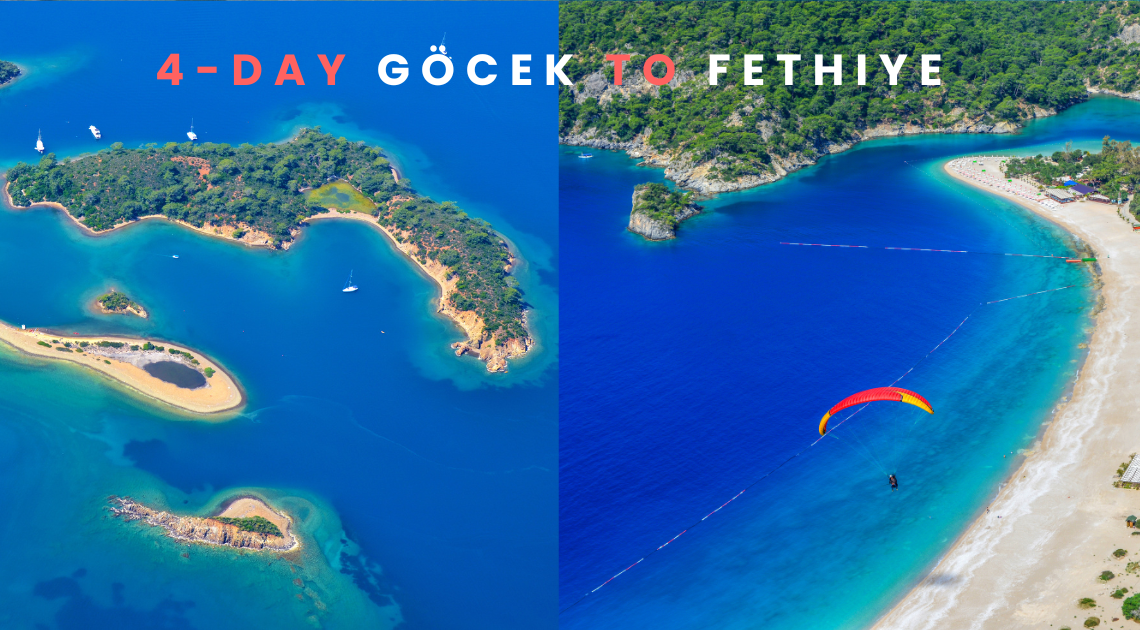


Join The Discussion