Ημερολόγιο καπετάνιου: Meltemi Wind Turkey: Τι πρέπει να ξέρετε για τον άνεμο Meltemi Wind Turkey
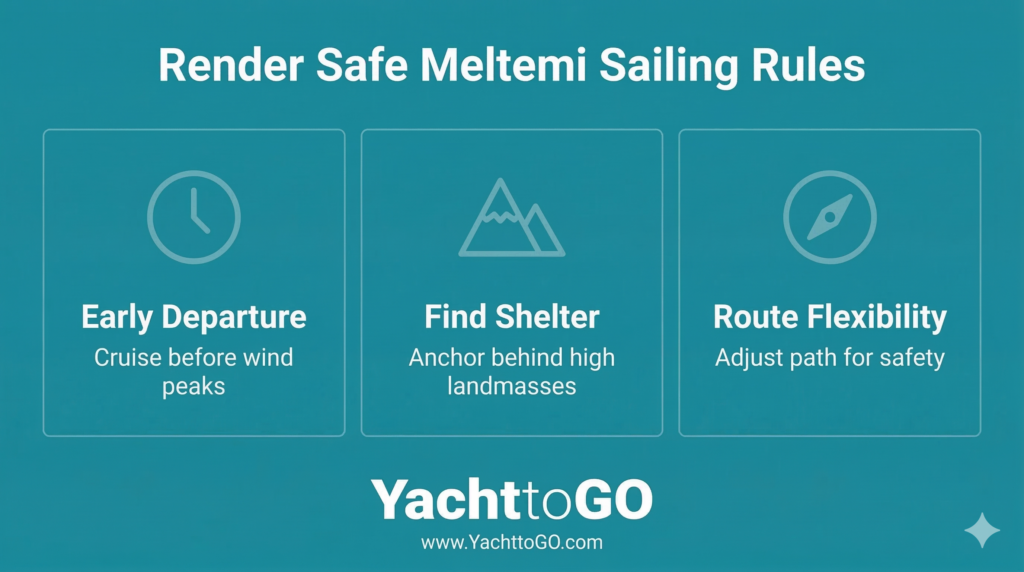
1. Ο κανόνας των 2 μ.μ: Το Μελτέμι κορυφώνεται το απόγευμα. Κρουαζιέρα την αυγή και ρίχνουμε άγκυρα στη 1 μ.μ. για να έχετε τα ποτά σας στο τραπέζι και το στομάχι σας τακτοποιημένο.
2. Χοάνες ανέμου: Η ταχύτητα του ανέμου διπλασιάζεται μεταξύ των στενών νησιών. Ένα αεράκι 15 κόμβων στην ανοιχτή θάλασσα γίνεται 30 κόμβων σε ένα στενό κανάλι.
3. Η θάλασσα αποφασίζει: Τα δρομολόγια του φυλλαδίου είναι προτάσεις. Εάν ο άνεμος φυσάει δυνατά από τα βορειοδυτικά, αλλάζουμε τη διαδρομή για να βρούμε προστατευμένα νερά. Η ασφάλεια κερδίζει πάντα.
Κοιτάζετε το χάρτη στο τηλέφωνό σας. Βλέπετε μια ευθεία γραμμή από τη μαρίνα σας μέχρι ένα διάσημο παραλιακό κλαμπ. Μου λέτε ότι θέλετε να φύγετε μετά το μεσημεριανό γεύμα και να φτάσετε εκεί μέχρι τις 4 μ.μ. Κοιτάζω τον ουρανό, κοιτάζω τους χάρτες πίεσης και σου λέω όχι. Δεν πρόκειται να φύγουμε στις 3 μ.μ. Μπορεί να νιώσετε απογοήτευση. Μπορεί να νομίζετε ότι είμαι τεμπέλης. Αλλά κάνω τη δουλειά μου. Προστατεύω τις διακοπές σας από το μελτέμι.
Το Μελτέμι είναι ένας ξηρός, ισχυρός βορειοδυτικός άνεμος. Πνέει κάθε καλοκαίρι μέσα από το Αιγαίο Πέλαγος. Ξεκινά τον Ιούνιο. Βρυχάται τον Ιούλιο και τον Αύγουστο. Καταλαγιάζει στα τέλη Σεπτεμβρίου. Δεν είναι καταιγίδα. Είναι ένα απολύτως φυσιολογικό εποχιακό καιρικό πρότυπο. Φέρνει καθαρό αέρα. Μειώνει την τρομερή υγρασία του καλοκαιριού. Ανακουφίζει από τη ζέστη των 40 βαθμών. Αλλά επίσης προκαλεί μικρά, απότομα, άσχημα κύματα. Αν προσπαθήσετε να το πολεμήσετε στην κορύφωσή του, θα χάσετε. Αν μάθετε το ρυθμό του, θα έχετε το καλύτερο ταξίδι της ζωής σας.
⚓ Ενημέρωση του καπετάνιου Hüseyin
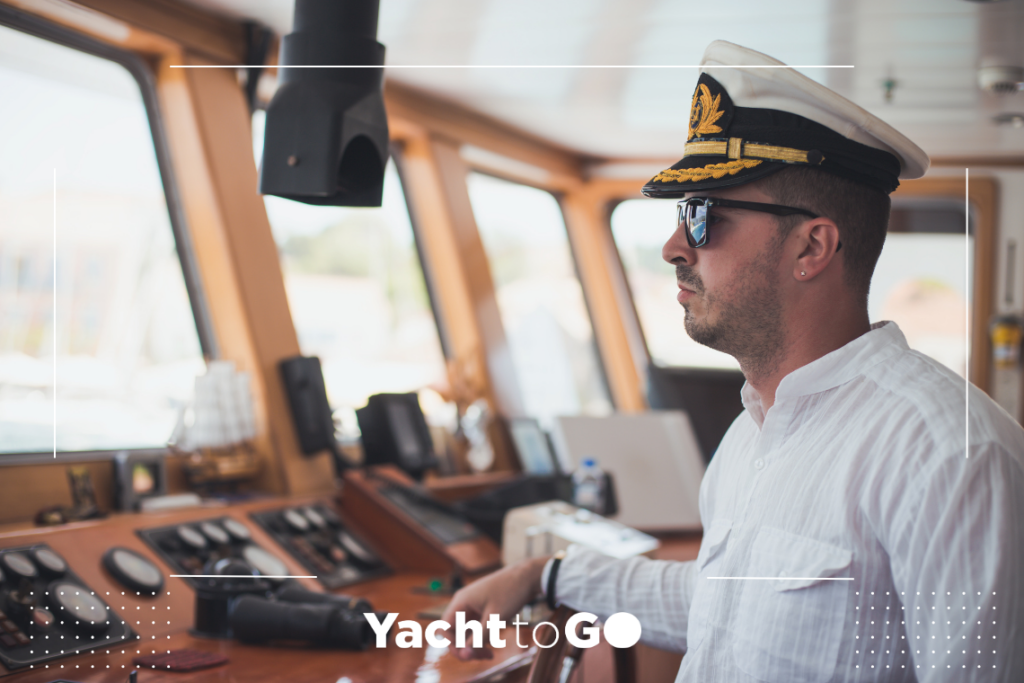
Μη φοβάστε τον άνεμο. Χρησιμοποιήστε τον. Όταν το Meltemi φυσάει με 25 κόμβους έξω από τη χερσόνησο Datça, κατευθύνω το σκάφος προς τον κόλπο Hisarönü. Τα ψηλά πευκόφυτα βουνά λειτουργούν σαν τσιμεντένιο τοίχος. Αγκυροβολούμε σε επίπεδα, ήρεμα νερά, ενώ η θάλασσα μαίνεται μόλις πέντε μίλια μακριά. Η τοπική γεωγραφία είναι η καλύτερη ασπίδα μας.
Η μηχανική των καλοκαιρινών ανέμων ιστιοπλοΐας
Για να καταλάβετε τον καιρό στο Αιγαίο, πρέπει να καταλάβετε την πίεση. Το μελτέμι γεννιέται από την υψηλή πίεση πάνω από τα Βαλκάνια που συναντά τη χαμηλή πίεση πάνω από την ασιατική ξηρά. Αυτό δημιουργεί ένα κενό. Ο άνεμος σπεύδει νότια για να γεμίσει αυτό το κενό. Περνάει τα ελληνικά νησιά και προσκρούει στις τουρκικές ακτές.
Αυτός ο άνεμος είναι προβλέψιμος. Κοιμάται τη νύχτα. Στις 4 π.μ., η θάλασσα είναι συχνά επίπεδη σαν πισίνα. Μέχρι τις 10 π.μ., αρχίζει ένα ελαφρύ αεράκι. Μέχρι τις 2 μ.μ., φυσάει δυνατά. Το αποκορύφωμά του είναι γύρω στις 4 μ.μ. Καθώς ο ήλιος δύει και η ξηρά κρυώνει, ο άνεμος συνήθως πέφτει. Αυτός ο καθημερινός κύκλος είναι η μηχανή που οδηγεί κάθε έξυπνο καπετάνιο στον προγραμματισμό της διαδρομής του.
Δεν μαντεύουμε τον καιρό. Ελέγχω παγκόσμια μοντέλα θαλάσσιων καιρικών συνθηκών πριν καν ξυπνήσει το πλήρωμά μου. Κοιτάζω το ευρωπαϊκό μοντέλο ECMWF. Ελέγχω τις ριπές ανέμου, όχι μόνο τη βασική ταχύτητα ανέμου. Μια πρόβλεψη για 15 κόμβους μπορεί εύκολα να κρύβει ριπές 28 κόμβων όταν ο άνεμος στριμώχνεται ανάμεσα σε δύο ακρωτήρια.
Ο πρωινός σχεδιασμός της διαδρομής καθορίζει την επιτυχία της ημέρας σας στο νερό.
Το ρολόι του καπετάνιου: Πώς σχεδιάζουμε την ημέρα σας
Εξαιτίας αυτού του καθημερινού κύκλου ανέμων, ένα καλό πλήρωμα σκάφους λειτουργεί με πρώιμο πρόγραμμα. Εάν πρέπει να διασχίσουμε έναν ανοιχτό κόλπο ή να διανύσουμε μεγάλη απόσταση, τραβάμε την άγκυρα στις 6 π.μ. Οι μηχανές ανάβουν. Οι βοηθοί καταστρώματος τραβούν τα σχοινιά πρόσδεσης. Εσείς κοιμάστε στην καμπίνα σας. Το βουητό των μηχανών γίνεται μια σταθερή δόνηση.
Ξυπνάτε στις 8:30 π.μ. Ανεβαίνεις στο πρυμναίο κατάστρωμα. Η θάλασσα είναι ήρεμη. Ο σεφ ετοιμάζει τα αυγά σας και σας βάζει καφέ. Μέχρι τη 1 μ.μ., φτάνουμε στον όρμο του στόχου μας. Ο καπετάνιος ρίχνει 80 μέτρα βαριάς ατσάλινης αλυσίδας στην άμμο. Το πλήρωμα δένει δύο μακριά σχοινιά στα βράχια της ακτής. Σβήνουμε τις κύριες μηχανές. Μόλις τελειώσουμε, παρατηρείς ότι ο άνεμος αρχίζει να ουρλιάζει μέσα από τα ξάρτια. Αλλά δεν αισθάνεστε τα κύματα. Είστε ασφαλείς πίσω από ένα βουνό.
Αν επιμένετε να κοιμάστε μέχρι τις 11 π.μ. και μου πείτε να ξεκινήσω την κρουαζιέρα στις 2 μ.μ., θα σας προειδοποιήσω. Το σκάφος θα στραβώσει. Η πλώρη θα χτυπήσει σε απότομα, μικρά κύματα. Τα πιάτα θα γλιστρήσουν από τα τραπέζια. Οι καλεσμένοι σας θα αισθάνονται άρρωστοι. Αυτός είναι ο λόγος που προσλαμβάνετε έναν επαγγελματία. Σας προστατεύω από κακές αποφάσεις.
Εύρεση ασφαλών αγκυροβολίων γύρω από το Bodrum και πέρα από αυτό
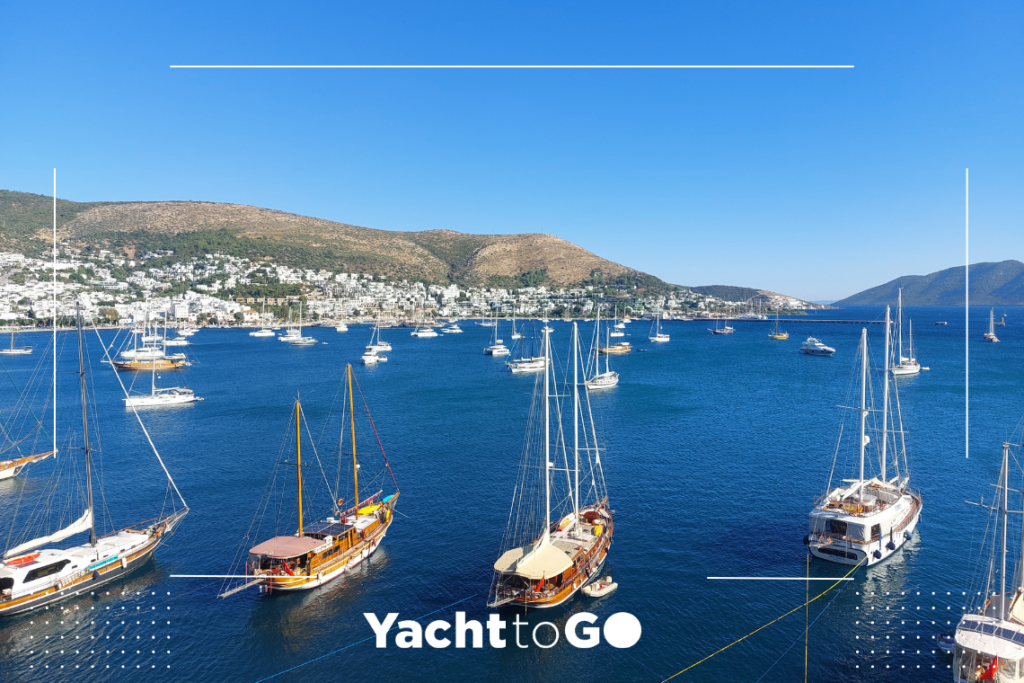
Η τουρκική ακτογραμμή αποτελεί γεωγραφικό πλεονέκτημα. Εάν ερευνάτε την πραγματικότητα της ιστιοπλοΐα στην Τουρκία ή την Ελλάδα, αυτός είναι ένας σημαντικός παράγοντας. Οι ελληνικές Κυκλάδες βρίσκονται στη μέση του Αιγαίου. Δέχονται το άμεσο χτύπημα του μελτεμιού. Τα πλοία παγιδεύονται στο λιμάνι για μέρες. Οι τουρκικές ακτές είναι διαφορετικές. Είναι οδοντωτή. Είναι γεμάτη από βαθιά κόλπα και τεράστιες χερσονήσους που δείχνουν προς τα δυτικά.
Αν φεύγουμε από το Μπόντρουμ κατά τη διάρκεια ισχυρού βορειοδυτικού ανέμου, δεν πηγαίνουμε βόρεια προς το Γιαλυκαβάκ. Πηγαίνουμε νότια και ανατολικά. Πέφτουμε στον κόλπο της Gökova. Η βόρεια ακτή αυτού του κόλπου είναι προστατευμένη. Ο άνεμος φυσάει ακριβώς πάνω από την κορυφή των βουνών. Το νερό κοντά στην ακτή παραμένει επίπεδο. Μπορούμε να ταξιδέψουμε για μια εβδομάδα μέσα στον Gökova χωρίς ποτέ να δεχτούμε άμεσο κύμα στην πλώρη.
Η χερσόνησος Bozburun είναι ένα άλλο φρούριο. Προστατεύει τον κόλπο του Hisarönü. Αυτές είναι οι λεπτομέρειες για τις οποίες πληρώνετε. Νοικιάζετε ένα σκάφος για να χαλαρώσετε, όχι για να παρακολουθήσετε μαθήματα επιβίωσης. Ένας έξυπνος καπετάνιος χρησιμοποιεί τη στεριά για να καταπολεμήσει τον άνεμο.
Ταξιδεύουμε νωρίς. Η θάλασσα είναι επίπεδη και ο αέρας είναι ήσυχος.
Προσαρμογή του σκάφους στον άνεμο
Διαφορετικά σκάφη χειρίζονται το Meltemi με διαφορετικούς τρόπους. Αν είστε ναύλωση ιστιοπλοϊκού σκάφους, ο καπετάνιος σας μπορεί πραγματικά να χαμογελάσει όταν ο άνεμος φτάσει τους 20 κόμβους. Τα ιστιοφόρα μονογέφυρα είναι κατασκευασμένα για να σκύβουν στον άνεμο. Διασχίζουν το τσαλάκωμα. Ένα βαρύ παραδοσιακό ξύλινο γκιουλέτ ταξιδεύει επίσης πολύ ομαλά, επειδή ζυγίζει 100 τόνους. Σπρώχνει το νερό από τη μέση.
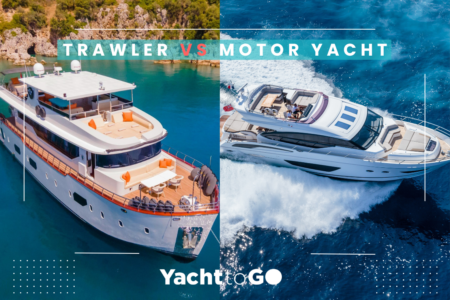
Τα μηχανοκίνητα σκάφη είναι διαφορετικά. Ένα κομψό μηχανοκίνητο γιοτ είναι γρήγορο. Μπορεί να τρέξει με 20 κόμβους. Αλλά αν χτυπήσει ένα απότομο κύμα Μελτέμι δύο μέτρων με 20 κόμβους, χτυπάει δυνατά. Η βόλτα γίνεται βίαιη. Αυτός είναι ο λόγος για τον οποίο οι καπετάνιοι των μηχανοκίνητων σκαφών έχουν εμμονή με το πρωινό πρόγραμμα. Χρησιμοποιούμε την ταχύτητά μας για να ξεφύγουμε από τον απογευματινό άνεμο. Διανύουμε 40 μίλια σε δύο ώρες, ενώ η θάλασσα είναι ήρεμη, και μετά καθόμαστε στην άγκυρα.
Τα καταμαράν έχουν πολύ ανεμοπίεση. Είναι ουσιαστικά ένα μεγάλο τετράγωνο που κάθεται στο νερό. Όταν ο άνεμος φυσάει δυνατά, δεν κυλούν, αλλά τραντάζονται από πλευρά σε πλευρά. Η αγκυροβόληση ενός καταμαράν σε ριπή ανέμου 30 κόμβων απαιτεί επιδεξιότητα. Ο καπετάνιος πρέπει να χρησιμοποιήσει άφθονη αλυσίδα και να σκάψει την άγκυρα βαθιά στη βαριά λάσπη ή την παχιά άμμο.
Το δυσκολότερο μέρος της δουλειάς του καπετάνιου δεν είναι η οδήγηση του σκάφους. Είναι η διαχείριση των επισκεπτών. Κοιτάζεις ένα δρομολόγιο στο διαδίκτυο. Ημέρα 1: Μπόντρουμ. Ημέρα 2: Datça. Ημέρα 3: Σύμη. Νομίζετε ότι αυτό είναι ένα πρόγραμμα τρένων. Δεν είναι. Είναι το καλύτερο δυνατό σενάριο.
Αν το Μελτέμι φυσάει σταθερά με 35 κόμβους για τρεις ημέρες, δεν θα πάμε στη Σύμη. Δεν θα θέσω σε κίνδυνο το πλήρωμά μου ή τους επισκέπτες μου. Δεν θα σπάσω το σκάφος. Αντίθετα, θα αλλάξουμε πορεία. Θα βρούμε έναν εκπληκτικό, ήσυχο κόλπο πίσω από έναν ψηλό βράχο. Το πλήρωμα θα τοποθετήσει τα παιχνίδια νερού στα ήρεμα νερά. Ο σεφ θα μαγειρέψει ένα απίστευτο γεύμα. Και πάλι θα έχετε πολυτελείς διακοπές. Απλά θα τις απολαύσετε σε έναν διαφορετικό κόλπο από αυτόν που σας υποσχέθηκε το φυλλάδιο.
Σεβαστείτε τη θάλασσα. Εμπιστευτείτε το πλήρωμα. Αφήστε τον καιρό να υπαγορεύσει τον ρυθμό. Αυτός είναι ο μόνος τρόπος για να κάνετε κρουαζιέρα στη Μεσόγειο.
Οι τρεις κανόνες της κρουαζιέρας κατά τη διάρκεια του μελτεμιού.
Ή αφήστε το Master Brokers να χειριστεί κάθε λεπτομέρεια. Η εύρεση του τέλειου ζευγαριού δεν πρέπει να αποτελεί βάρος. Επιλέξτε το επίπεδο υπηρεσιών που προτιμάτε παρακάτω για μια απρόσκοπτη, ασφαλή και σίγουρη θαλάσσια διαφυγή.
Τυποποιημένες έρευνες
Θυρωρός γιοτ
Για τη διαθεσιμότητα του στόλου, τις συνήθεις διαδικασίες κράτησης και γενικές πληροφορίες για το δρομολόγιο.
Είναι επικίνδυνο να πλεύσετε κατά τη διάρκεια του Μελτεμιού;
Όχι αν έχετε έναν έμπειρο καπετάνιο. Ο ίδιος ο άνεμος είναι προβλέψιμος. Ο κίνδυνος εμφανίζεται μόνο όταν άπειροι χειριστές προσπαθούν να διασχίσουν ανοιχτά κανάλια σε ώρες αιχμής του ανέμου. Εμείς διαχειριζόμαστε τον κίνδυνο με κρουαζιέρες νωρίς το πρωί και χρησιμοποιώντας τη φυσική προστασία της τουρκικής ακτογραμμής.
Θα καταστρέψει ο άνεμος τη ναύλωση του πολυτελούς σκάφους μου;
Όχι, ο άνεμος κρατάει την καλοκαιρινή ζέστη υποφερτή. Χωρίς αυτόν, ο Αύγουστος θα ήταν απίστευτα υγρός και ζεστός. Ένας έξυπνος καπετάνιος θα προσαρμόσει την καθημερινή σας ρουτίνα έτσι ώστε να είστε αγκυροβολημένοι σε επίπεδα, ήρεμα νερά όταν ο άνεμος φυσάει πιο δυνατά. Θα εξακολουθείτε να απολαμβάνετε το κολύμπι, το φαγητό και τη χαλάρωση στο κατάστρωμα.
Ποιοι μήνες έχουν τους ισχυρότερους ανέμους Μελτέμι;
Το Μελτέμι ξεκινά συνήθως στα μέσα Ιουνίου. Η έντασή του κορυφώνεται τον Ιούλιο και τον Αύγουστο. Μέχρι το δεύτερο μισό του Σεπτεμβρίου, οι καιρικές συνθήκες αλλάζουν και οι ισχυροί βορειοδυτικοί άνεμοι αρχίζουν να εξασθενούν. Αν προτιμάτε εντελώς ακίνητο αέρα, τα τέλη Σεπτεμβρίου ή ο Οκτώβριος είναι καλύτερες επιλογές.
Με ναυτικές ρίζες που ιδρύθηκαν το 1994, είμαι πλοίαρχος ναυτιλίας, επίλεκτος ναυλομεσίτης σκαφών και διευθύνων σύμβουλος της YachttoGO και του ομίλου NOMAD.
Με έδρα το Göcek, Fethiye, Τουρκία, ειδικεύομαι στην επιμέλεια ναυλώσεων σκαφών αναψυχής παγκόσμιας κλάσης, αερομεταφορών και VIP concierge εμπειριών σε όλη την Ανατολική Μεσόγειο.
Το όραμά μου είναι να καταστήσω την παγκόσμια ναύλωση σκαφών αναψυχής απρόσκοπτη και προσιτή, ανεβάζοντας τη YachttoGO στις 10 κορυφαίες ναυτιλιακές αγορές του κόσμου. Είτε αναζητάτε ένα μηχανοκίνητο γιοτ VIP είτε ένα κλασικό γκουλέ, η ομάδα μου και εγώ είμαστε αφοσιωμένοι στο να σχεδιάσουμε την απόλυτη θαλάσσια απόδραση.
Σχετικές θέσεις
4ήμερη εκδρομή με ναύλωση σκαφών αναψυχής από το Γκιότσεκ προς τη Φετιγιέ και εξερεύνηση γης | YachttoGO
Παρακαλούμε εισάγετε το όνομα χρήστη ή τη διεύθυνση ηλεκτρονικού ταχυδρομείου σας. Θα λάβετε έναν σύνδεσμο για να δημιουργήσετε έναν νέο κωδικό πρόσβασης μέσω email.


 από
από 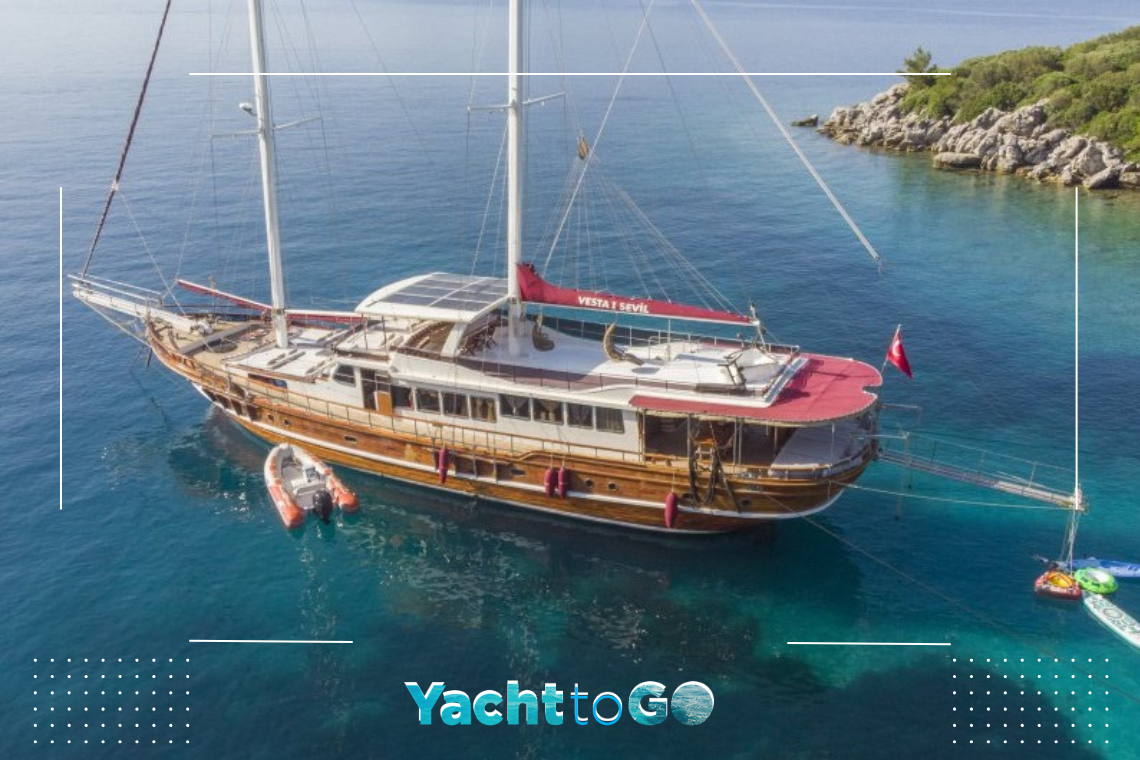
Πάρτε μέρος στη συζήτηση