Logboek van de kapitein: Wat je moet weten over Meltemi Wind Turkije
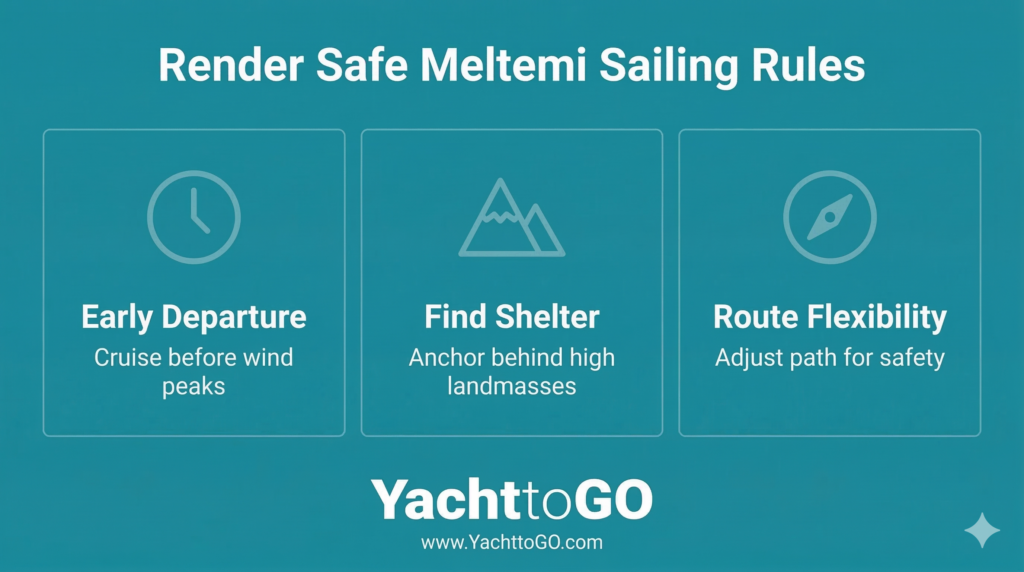
1. De 2 PM regel: De Meltemi piekt in de middag. We varen bij zonsopgang en gaan voor anker om 13.00 uur, zodat je drankjes op tafel kunnen blijven staan en je maag kan rusten.
2. Windtrechters: De windsnelheid verdubbelt tussen smalle eilanden. Een briesje van 15 knopen op open zee wordt een explosie van 30 knopen in een nauw kanaal.
3. De zee beslist: De routes in de brochure zijn suggesties. Als de wind hard uit het noordwesten waait, veranderen we de route om beschut water te vinden. Veiligheid wint altijd.
Je kijkt naar de kaart op je telefoon. Je ziet een rechte lijn van je jachthaven naar een beroemde strandtent. Je vertelt me dat je na de lunch wilt vertrekken en er om 16.00 uur wilt zijn. Ik kijk naar de lucht, ik kijk naar de drukkaarten en ik zeg nee. We vertrekken niet om 15.00 uur. Misschien ben je teleurgesteld. Je denkt misschien dat ik lui ben. Maar ik doe mijn werk. Ik bescherm jullie vakantie tegen de Meltemi.
De Meltemi is een droge, sterke noordwestenwind. Hij waait elke zomer door de Egeïsche Zee. Hij begint in juni. Hij brult in juli en augustus. Eind september gaat hij liggen. Het is geen storm. Het is een volkomen normaal seizoensgebonden weerpatroon. Het brengt schone lucht. De vreselijke zomerse vochtigheid daalt. Het geeft verlichting van de 40 graden hitte. Maar het veroorzaakt ook korte, scherpe, lelijke golven. Als je probeert er op het hoogtepunt tegen te vechten, zul je verliezen. Als je zijn ritme leert, zul je de beste reis van je leven hebben.
Kapitein Hüseyin's briefing
Wees niet bang voor de wind. Gebruik hem. Als de Meltemi buiten het schiereiland Datça 25 knopen waait, stuur ik de boot de Golf van Hisarönü in. De hoge, met dennenbomen bedekte bergen werken als een betonnen muur. We ankeren in vlak, kalm water terwijl de zee slechts vijf mijl verderop raast. De plaatselijke geografie is ons beste schild.
De mechanismen van zomerzeilwinden
Om het weer op de Egeïsche Zee te begrijpen, moet je de druk begrijpen. De Meltemi ontstaat door hoge druk boven de Balkan en lage druk boven de Aziatische landmassa. Dit creëert een vacuüm. De wind raast naar het zuiden om dat vacuüm op te vullen. Hij stuwt langs de Griekse eilanden naar beneden en beukt tegen de Turkse kust aan.
Deze wind is voorspelbaar. Hij gaat 's nachts slapen. Om 4 uur 's ochtends is de zee vaak zo vlak als een zwembad. Tegen 10 uur begint er een licht briesje. Tegen 2 uur 's middags waait het hard. De piek ligt rond 4 uur 's middags. Als de zon ondergaat en het land afkoelt, gaat de wind meestal liggen. Deze dagelijkse cyclus is de motor achter de routeplanning van elke intelligente kapitein.
We raden het weer niet. Ik controleer mondiale maritieme weermodellen nog voordat mijn bemanning wakker is. Ik kijk naar het Europese ECMWF-model. Ik controleer de windstoten, niet alleen de basiswindsnelheid. Een voorspelling van 15 knopen kan gemakkelijk vlagen van 28 knopen verbergen als de wind zich tussen twee landtongen wringt.
Ochtendrouteplanning bepaalt het succes van je dag op het water.
De klok van de kapitein: Hoe we uw dag plannen
Vanwege deze dagelijkse windcyclus werkt een goede jachtbemanning volgens een vroeg schema. Als we een open golf moeten oversteken of een lange afstand moeten afleggen, halen we om 6 uur 's ochtends het anker op. De motoren gaan aan. De matrozen halen de trossen binnen. Jij blijft in je hut slapen. Het gezoem van de motoren wordt een constante trilling.
Je wordt wakker om 8:30 uur. Je loopt naar het achterdek. De zee is kalm. De kok is je eieren aan het opscheppen en je koffie aan het inschenken. Tegen 13.00 uur komen we aan in onze doelbaai. De kapitein laat 80 meter zware stalen ketting in het zand zakken. De bemanning maakt twee lange lijnen vast aan de rotsen op de wal. We zetten de hoofdmotoren uit. Net als we klaar zijn, merk je dat de wind door het want begint te gieren. Maar je voelt de golven niet. Je bent veilig achter een berg.
Als je erop staat om tot 11 uur 's ochtends uit te slapen en zegt dat ik om 14 uur moet beginnen met varen, zal ik je waarschuwen. De boot zal stampen. De boeg zal in steile, korte golven slaan. Borden zullen van de tafels glijden. Je gasten zullen zich misselijk voelen. Daarom huur je een professional in. Ik bescherm je tegen slechte beslissingen.
Veilige ankerplaatsen vinden rond Bodrum en daarbuiten
De Turkse kustlijn is een geografisch voordeel. Als je onderzoek doet naar de realiteit van zeilen in Turkije of Griekenland, is dit een belangrijke factor. De Griekse Cycladen liggen in het midden van de Egeïsche Zee. Ze worden direct getroffen door de Meltemi. Boten komen dagenlang vast te zitten in de haven. De Turkse kust is anders. Die is grillig. Het zit vol diepe kloven en enorme schiereilanden die naar het westen wijzen.
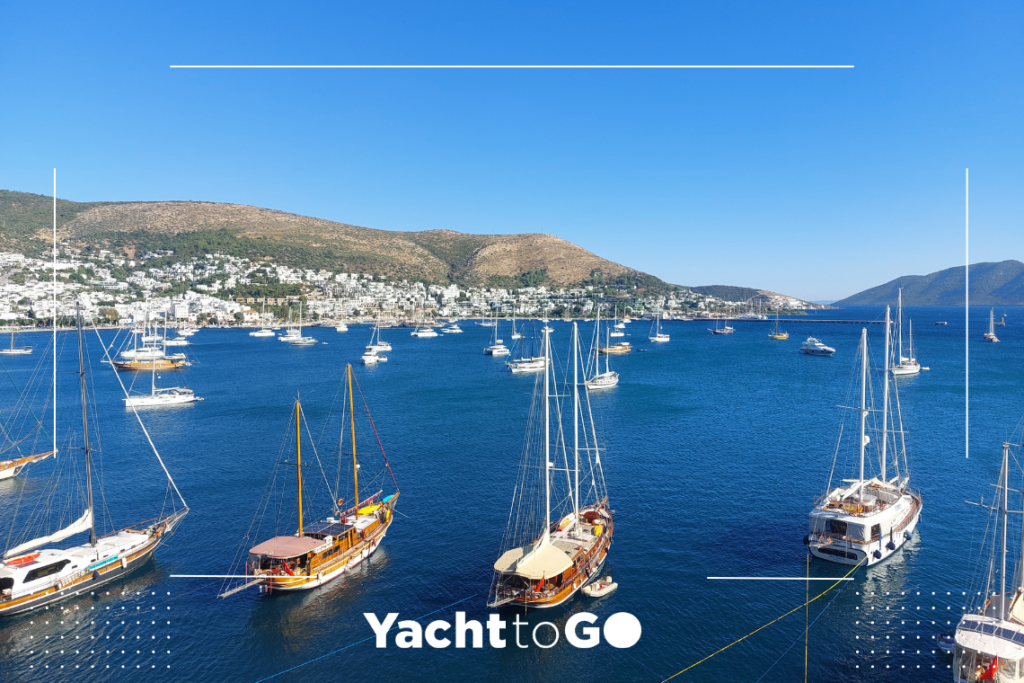
Als we Bodrum verlaten tijdens een sterke noordwestenwind, gaan we niet noordwaarts richting Yalıkavak. We gaan naar het zuiden en oosten. We komen uit in de Golf van Gökova. De noordelijke oever van deze golf ligt beschut. De wind blaast recht over de top van de bergen. Het water bij de kust blijft vlak. We kunnen een week lang in Gökova varen zonder ooit een directe golf op de boeg te krijgen.
Het schiereiland Bozburun is een ander fort. Het schermt de Golf van Hisarönü af. Dit zijn de details waarvoor je betaalt. Je huurt een boot om te ontspannen, niet om een survivaltraining te volgen. Een slimme kapitein gebruikt het land om de wind te bestrijden.
We reizen vroeg. De zee is vlak en de lucht is stil.
Het jacht afstemmen op de wind
Verschillende boten gaan op verschillende manieren met de Meltemi om. Als je een zeiljacht charteren, kan je kapitein glimlachen als de wind 20 knopen haalt. Monohull zeilboten zijn gebouwd om tegen de wind in te leunen. Ze snijden door de chop. Een zware traditionele houten gulet vaart ook heel soepel omdat hij 100 ton weegt. Het duwt het water uit de weg.
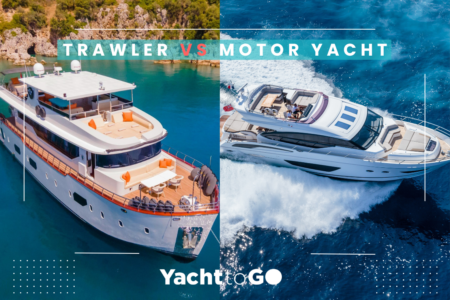
Motorjachten zijn anders. Een gestroomlijnd planerend motorjacht is snel. Het kan 20 knopen lopen. Maar als het met 20 knopen een scherpe Meltemi-golf van twee meter raakt, slaat het hard neer. De rit wordt gewelddadig. Daarom zijn motorjachtkapiteins geobsedeerd door het ochtendschema. We gebruiken onze snelheid om de middagwind te ontlopen. We leggen 40 mijl af in twee uur terwijl de zee kalm is en dan gaan we voor anker.
Catamarans hebben veel windage. Ze zijn in wezen een groot vierkant dat op het water ligt. Als het hard waait, rollen ze niet, maar schokken ze heen en weer. Het verankeren van een catamaran in een windvlaag van 30 knopen vereist vaardigheid. De kapitein moet veel ketting gebruiken en het anker diep ingraven in zware modder of dik zand.
Het moeilijkste deel van het werk van een kapitein is niet het besturen van de boot. Het is het managen van de gasten. Je bekijkt een reisschema online. Dag 1: Bodrum. Dag 2: Datça. Dag 3: Symi. Je denkt dat dit een treinschema is. Dat is het niet. Het is een bestcasescenario.
Als de Meltemi drie dagen constant 35 knopen waait, gaan we niet naar Symi. Ik breng mijn bemanning en mijn gasten niet in gevaar. Ik zal de boot niet breken. In plaats daarvan wijzigen we de koers. We vinden een prachtige, rustige baai achter een hoge klif. De bemanning zet de waterspeeltjes klaar in het kalme water. De kok zal een fantastische maaltijd bereiden. Je zult nog steeds een luxe vakantie hebben. Alleen in een andere baai dan de brochure beloofde.
Respecteer de zee. Vertrouw de bemanning. Laat het weer het tempo bepalen. Dit is de enige manier om de Middellandse Zee te bevaren.
De drie regels van cruisen tijdens het smeltseizoen.
Eigenschap / Optie
Belangrijkste verschil
Comfort Impact
Kosten Realiteit
Cruisen om 6:00
Vlakke zee, geen windchop
Hoog comfort, soepel slapen
Brandstofefficiënt, standaard brandsnelheid
Cruisen om 15:00 uur
20-30 knopen tegenwind
Ruwe rit, spray op het dek
Hogere toerentallen nodig, +15% brandstofverbruik
Benedenwindse Ankerplaats
Berg die wind tegenhoudt
Vlak water, veilig voor tenders
Nul extra kosten, vereist lokale kennis
Jachtcharter gemakkelijk gemaakt.
Kies een Jacht naar GO waar u maar wilt! Maak direct contact met geverifieerde jachteigenaren in onze wereldwijde vloot.
Of laat onze Meester Makelaars elk detail afhandelen. De perfecte match vinden zou geen last moeten zijn. Selecteer hieronder het serviceniveau van uw voorkeur voor een naadloze, veilige en beveiligde maritieme ontsnapping.
Standaard vragen
Jacht Conciërge
Voor beschikbaarheid van de vloot, standaard boekingsprocedures en algemene reisinformatie.
Niet als je een ervaren kapitein hebt. De wind zelf is voorspelbaar. Gevaar ontstaat alleen als onervaren schippers proberen open kanalen over te steken tijdens piekuren van de wind. We beheersen het risico door vroeg in de ochtend te varen en gebruik te maken van de natuurlijke bescherming van de Turkse kustlijn.
Zal de wind mijn luxe jachtcharter verpesten?
Nee. De wind houdt de zomerhitte juist draaglijk. Zonder wind zou augustus ongelooflijk vochtig en heet zijn. Een slimme kapitein past je dagelijkse routine aan zodat je voor anker ligt in vlak, kalm water wanneer de wind het hardst waait. Je kunt dan nog steeds genieten van zwemmen, dineren en ontspannen aan dek.
Welke maanden hebben de sterkste Meltemi-winden?
De Meltemi begint meestal midden juni. De intensiteit bereikt zijn hoogtepunt in juli en augustus. Tegen de tweede helft van september veranderen de weerpatronen en beginnen de sterke noordwestenwinden af te nemen. Als je de voorkeur geeft aan volledig stille lucht, zijn eind september of oktober betere keuzes.
Mijn maritieme wortels liggen in 1994. Ik ben een Master Mariner, een elite jachtchartermakelaar en de Managing Director van YachttoGO en NOMAD Group.
Ik ben gevestigd in Göcek, Fethiye, Turkije en ben gespecialiseerd in het aanbieden van jachtcharters van wereldklasse, luchtvaart en VIP conciërge ervaringen in het oostelijke Middellandse Zeegebied.
Mijn visie is om wereldwijd jachtchartering naadloos en toegankelijk te maken en YachttoGO in de top 10 maritieme marktplaatsen te brengen. Of u nu op zoek bent naar een VIP motorjacht of een klassieke gulet, mijn team en ik zijn toegewijd aan het ontwerpen van uw ultieme maritieme ontsnapping.
Gerelateerde berichten
4-daagse jachtcharter van Göcek naar Fethiye met landexcursie | YachttoGO
Logboek van de kapitein: Wat u moet weten over Trawler vs Motor Yacht Charter 1. De natuurkunde van snelheid: Een boot van 60 ton voortduwen... Meer lezen


 door
door 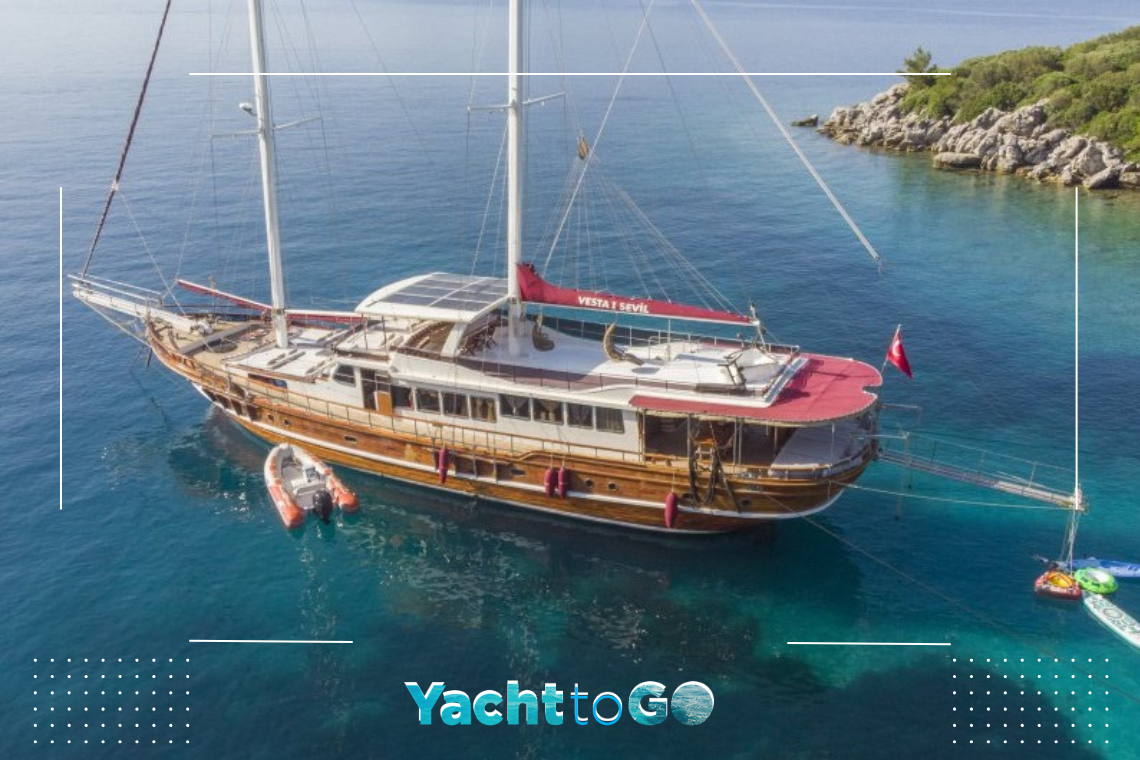
Doe mee aan de discussie