
Μηχανοκίνητο γιοτ
Μηχανοκίνητο γιοτ
- Ταξινόμηση κατά:
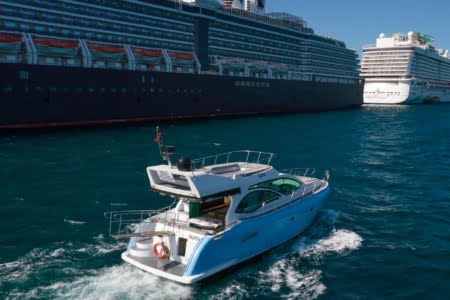

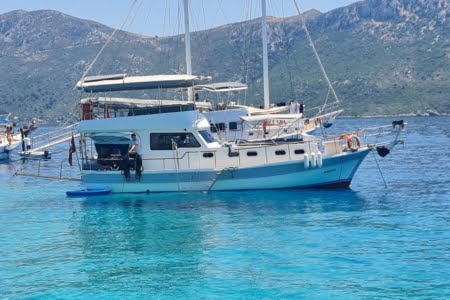
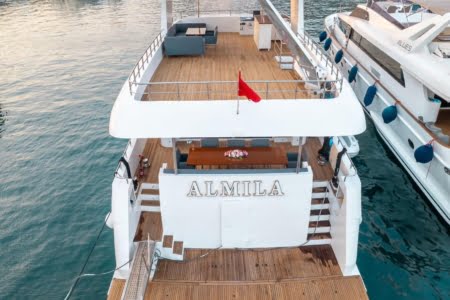

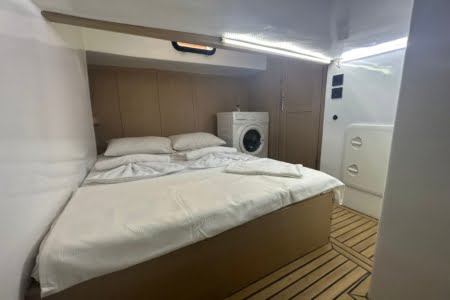
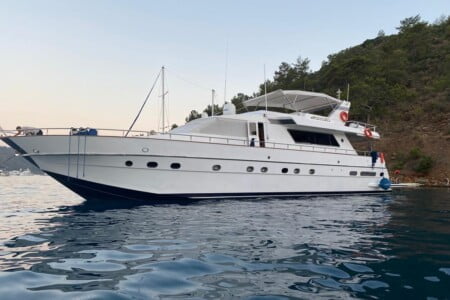
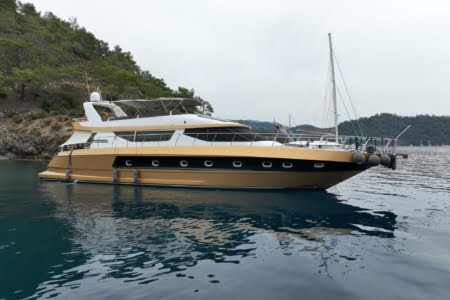

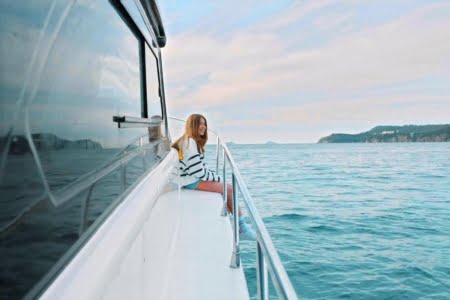
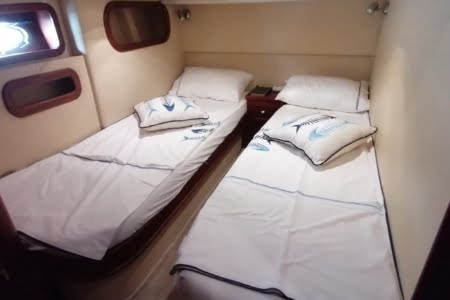
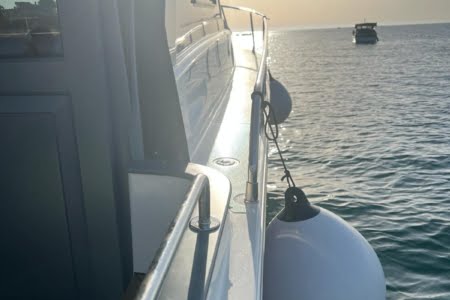
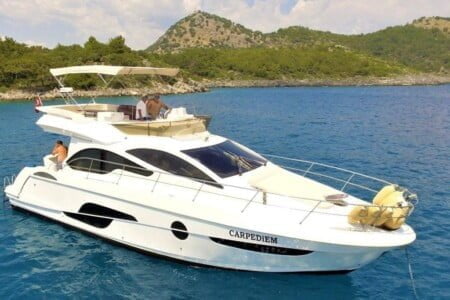

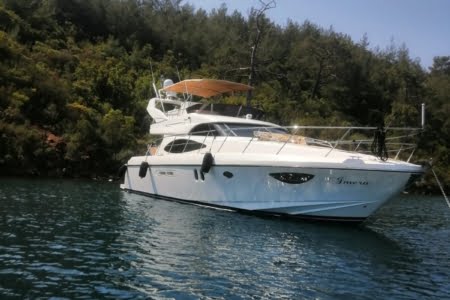
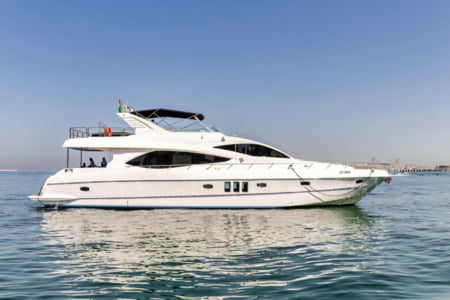

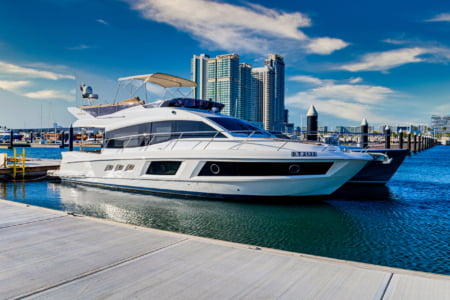
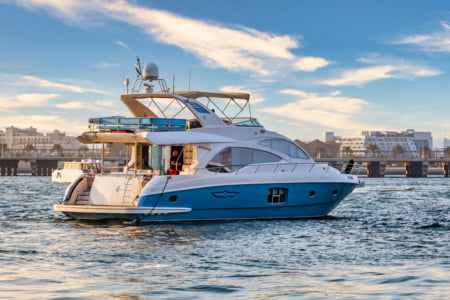
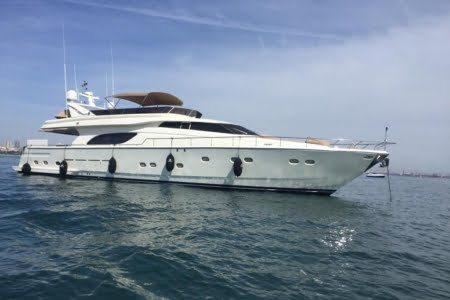
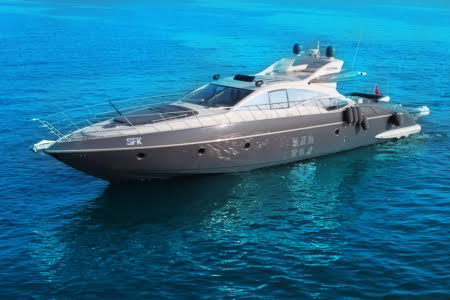
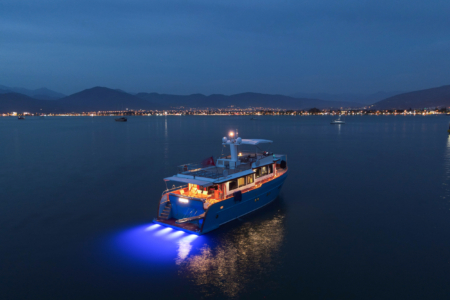

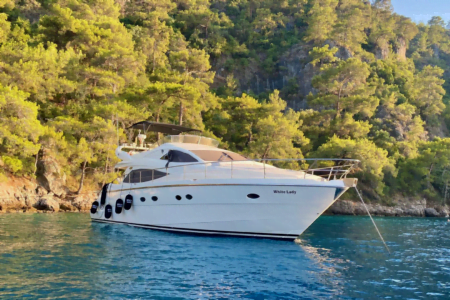
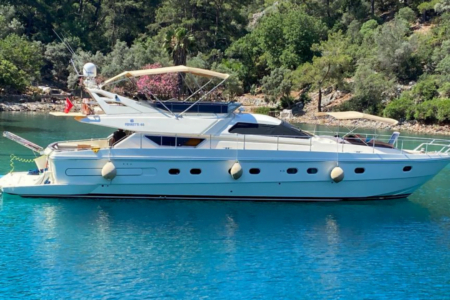
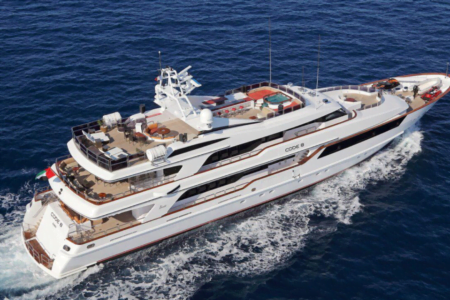
Εντολή υψηλής ταχύτητας: Ναύλωση μηχανοκίνητου σκάφους
- Ταχεία μετάβαση: Τροφοδοτείται από δίδυμους πετρελαιοκινητήρες βαρέως τύπου, μειώνοντας σημαντικά το χρόνο πλεύσης μεταξύ αγκυροβολίων σε σύγκριση με τα ιστιοφόρα.
- Προηγμένη σταθεροποίηση: Εξοπλισμένο με γυροσκόπια μηδενικής ταχύτητας ή ενεργούς σταθεροποιητές πτερυγίων για την εξάλειψη της κύλισης, εξασφαλίζοντας μέγιστη άνεση τόσο εν πλω όσο και στην άγκυρα.
- Αρχιτεκτονική καταστρώματος: Πολυεπίπεδες χώροι διαβίωσης, συχνά με υπερυψωμένη Flybridge για πανοραμική πλοήγηση, τεράστια πρυμναία καταστρώματα τραπεζαρίας και υδραυλικές πλατφόρμες κολύμβησης.
- Λειτουργική ευελιξία: Διαθέσιμο τόσο για ταχείες ωριαίες μικρο-εγκαταστάσεις όσο και για εκτεταμένες υπεράκτιες ναυλώσεις διάρκειας πολλών εβδομάδων.
Διαμορφώσεις μηχανικής και γάστρας:
- Flybridge Yachts: Το πρότυπο της βιομηχανίας για πολυτελή κρουαζιέρα. Διαθέτει ένα υπερυψωμένο ανώτερο κατάστρωμα (flybridge) που χρησιμεύει ως δευτερεύων σταθμός διοίκησης και ένας εκτεταμένος κοινωνικός χώρος με ανεμπόδιστη θέα 360 μοιρών.
- Αθλητικά σκάφη (ανοικτά / Hardtop): Σχεδιασμένο για επιθετικές επιδόσεις και κομψή αεροδυναμική. Αυτά τα σκάφη προσφέρουν χαμηλότερο προφίλ, εκπληκτικές ταχύτητες πλεύσης και απρόσκοπτη ροή από το εσωτερικό στο εξωτερικό του κύριου καταστρώματος, ιδανική για γρήγορες παράκτιες διαδρομές.
- Σκάφη Expedition / Explorer: Σκάφη μεγάλου κυβισμού κατασκευασμένα για σοβαρές υπεράκτιες αντοχές. Διαθέτουν ατσάλινα κύτη ή κύτη από αλουμίνιο βαρέως τύπου, τεράστια χωρητικότητα καυσίμων και δυνατότητα αυτόνομης λειτουργίας σε απομακρυσμένους τομείς για μεγάλα χρονικά διαστήματα.
Συχνές ερωτήσεις (FAQ)
1. Ποια είναι η διαφορά μεταξύ ταχύτητας πλεύσης και μέγιστης ταχύτητας;
Η ταχύτητα πλεύσης είναι ο βέλτιστος, αποδοτικός ως προς τα καύσιμα ρυθμός που διατηρείται κατά τη διάρκεια της διέλευσης (συνήθως μεταξύ 15 και 22 κόμβων για ένα τυπικό μηχανοκίνητο σκάφος). Η μέγιστη ταχύτητα είναι το απόλυτο όριο του σκάφους με τέρμα γκάζι, που χρησιμοποιείται μόνο για ταχείς τακτικούς ελιγμούς ή για προσπέραση από τις καιρικές συνθήκες, καθώς αυξάνει σημαντικά την κατανάλωση καυσίμου.
2. Έχουν όλα τα μηχανοκίνητα σκάφη σταθεροποιητές;
Τα περισσότερα σύγχρονα μηχανοκίνητα σκάφη στον επαληθευμένο στόλο μας άνω των 60 ποδών είναι εξοπλισμένα με ενεργά συστήματα σταθεροποίησης (είτε γυροσκοπικά είτε με πτερύγια). Αυτά τα συστήματα μειώνουν δραματικά την κίνηση κύλισης της γάστρας από πλευρά σε πλευρά, τόσο κατά την πλοήγηση όσο και κατά την αγκυροβόληση σε κυματισμό.