
Dümen Arkası: Eyüp Bayraktaroğlu ile Süperyat Operasyonları | YachttoGO
⚓ Dümenin Arkasında: Turk Yacht ile Doğu Akdeniz'de Operasyonel Mükemmellik Marmaris'te sabah havası belirgin, keskin bir koku taşır... Devamını oku
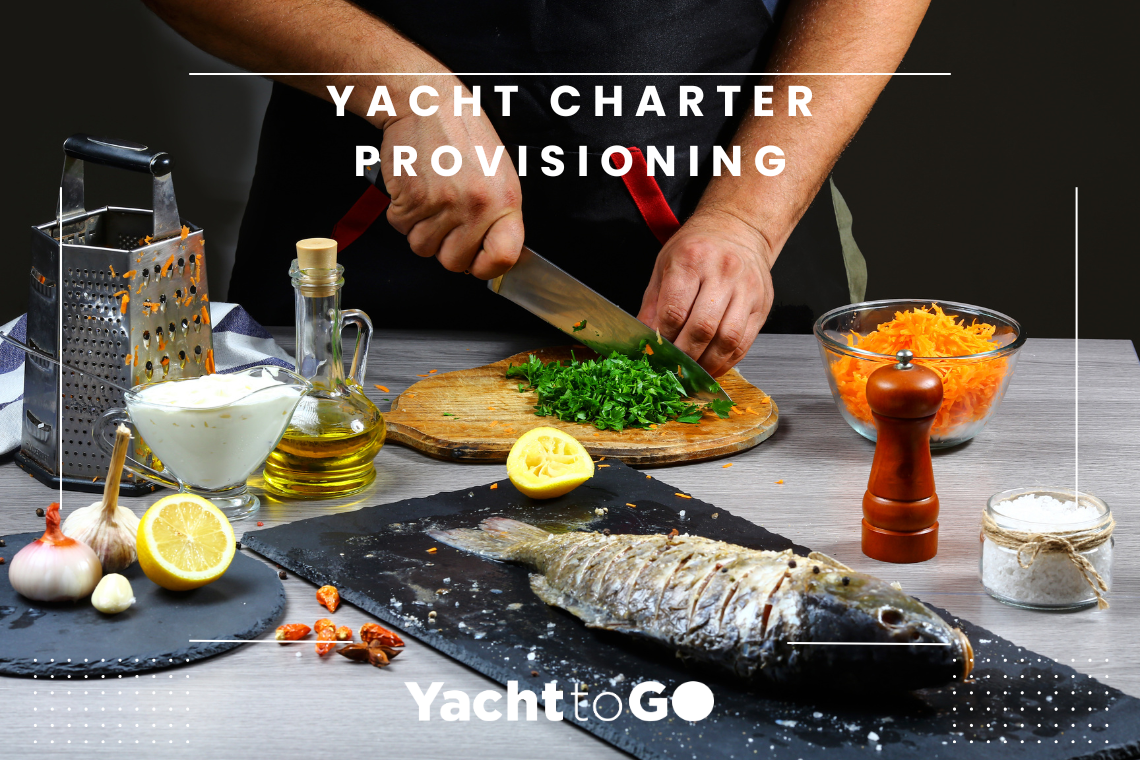
“Captain, why can’t we just decide what we want to eat tomorrow morning?” I hear this question at least five times a season. Guests step aboard our verified global fleet expecting the instant service of a city hotel. But the sea does not care about your sudden craving for fresh oysters at 10 PM. A yacht is a moving island. Once we drop the dock lines, your pantry is locked. If you want a seamless culinary experience on the water, you need to understand the mechanics of yacht charter provisioning and the sacred VIP Preference Sheet.
Do not lie about your alcohol consumption. Every year, a group tells me they are “light drinkers” to sound polite. By day three, we are out of white wine in the middle of a remote Datça bay, miles from the nearest bottle shop. Be brutally honest on your preference sheet. We judge nothing. We just need to load the right boxes.
Think of the preference sheet as your culinary contract. We send this document to you well before you pack your bags. It asks for your favorite foods, dietary restrictions, allergies, and drink brands. It is not a casual survey. It is the exact blueprint the chef uses to stock the boat.
You must submit this document at least three weeks prior to your arrival. Why? Because provisioning takes serious logistics. When booking a mürettebatlı yat kiralama, the broker hands your sheet to the chef. The chef then contacts local butchers, specialty bakers, and wine merchants. Sourcing gluten-free pasta, a specific vintage of Bordeaux, or dairy-free cream alternatives takes time. If you wait until the day before boarding, you will get whatever the local supermarket has left on the shelf.
Allergies are a matter of life and death at sea. If someone in your party has a severe peanut allergy, the chef needs to sanitize the galley and check every single label of every sauce brought aboard. If you drop this information on us while we are lifting the anchor, the ship stops. We do not risk medical emergencies two hours away from a hospital.
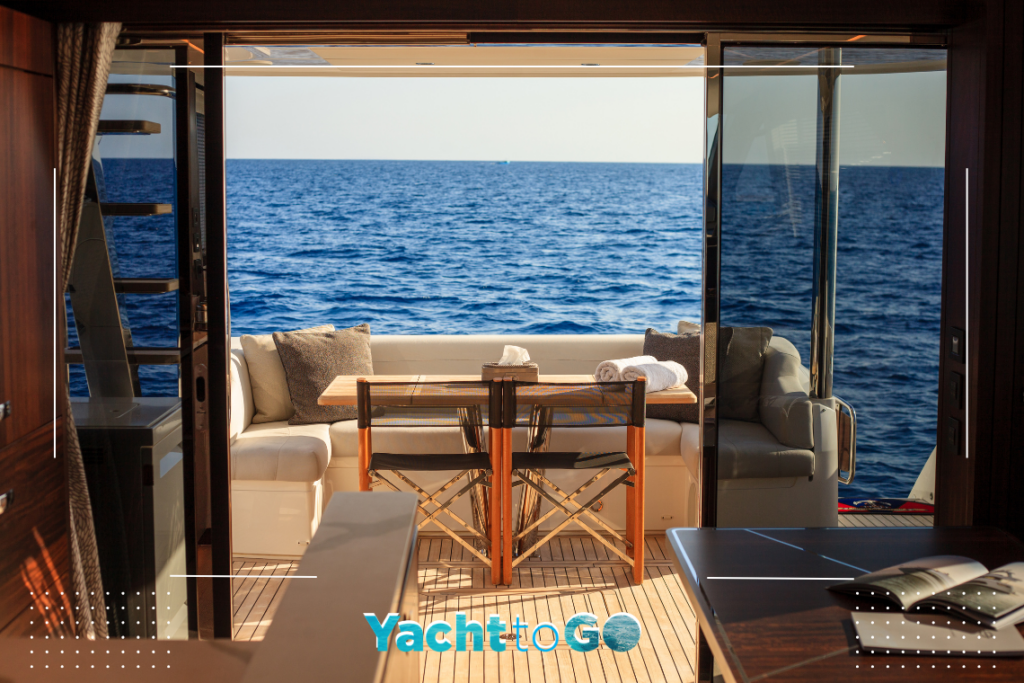
You might look at a 40-meter yacht and think there is endless space. You are wrong. The engine room, crew quarters, and fuel tanks eat up the hull. The galley (the kitchen) is a highly optimized workspace. Every inch matters.
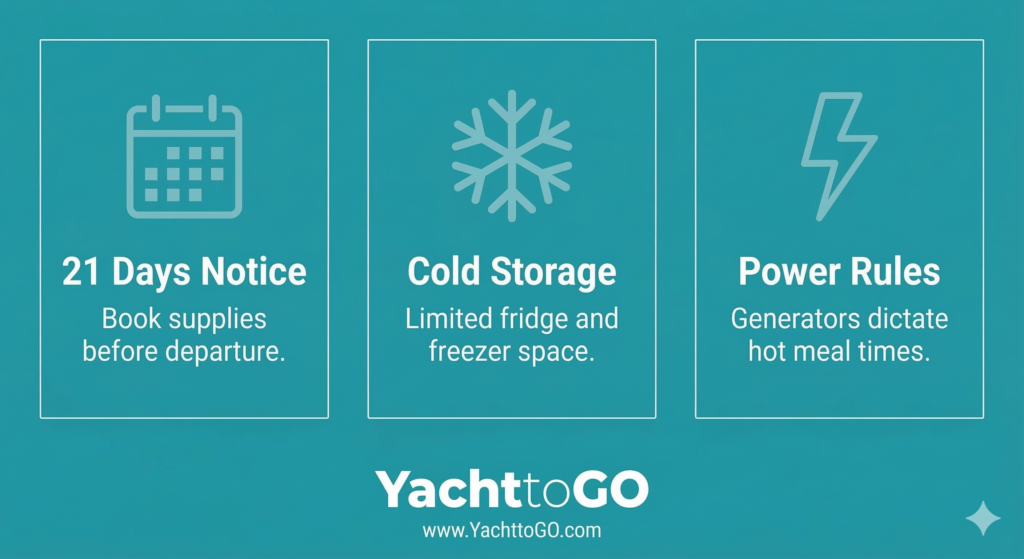
The biggest limiting factor is the cold chain. We have a set amount of refrigerator and freezer space. A chef cannot store 14 days of fresh, leafy greens for ten people. By day four, spinach turns to mush. A smart chef serves delicate produce early in the trip and shifts to hardier vegetables like root crops and cabbage later on. Freezers hold the premium meats and fish, but thawing takes time, and refreezing is unsafe.
Then comes the power. Ovens, induction stoves, and dishwashers pull massive electrical loads. We cannot run all of these on the quiet battery banks. We must start the generators. Generators create a low rumble and exhaust. Your chef plans hot meals around the times when it makes sense to run the generators—usually mid-morning and late afternoon. If you demand a hot soufflé at 3 AM while the boat is dead quiet in a bay, you will be disappointed. The chef dictates the flow of meals to protect your peace and quiet.
Where you sail heavily impacts what you eat. If your route starts in bustling ports like Bodrum, provisioning is straightforward. We have access to massive wholesale markets, imported cheeses, and premium wine cellars. We fill the bilges to the brim before you arrive.
But the magic of a yacht holiday is leaving civilization behind. When we sail down to the remote coves of Datça or Bozburun, the supply chain breaks. There are no delivery trucks out there. If you run out of your favorite brand of tonic water on day five in a silent pine-tree bay, we cannot magically summon more. We rely on small local fishermen who pull up to the yacht in wooden dinghies to sell the morning catch. It is fresh, it is authentic, but it is not a supermarket.
If we must do a mid-charter restock in a remote area, we have to pay a local taxi boat to drive hours to a town, buy what they can find, and bring it back. This eats into your budget and your time. This is why the initial preference sheet is critical. We load heavy in the main port so you don’t have to compromise in the wild.
Let us talk about ice. On land, you do not think about ice. At sea, ice is a premium commodity. Yachts have ice makers, but they produce a slow, steady trickle. If ten guests want frozen margaritas at 2 PM, iced coffees at 4 PM, and heavily chilled cocktails all evening, the ice maker cannot keep up. Good crews buy large bags of commercial ice before departure and store them in the deep freeze. But again, freezer space is tight. Be mindful of your ice usage.
When filling out the preference sheet for drinks, specify brands. Do not just write “vodka.” Write the exact brand you want. If you like a specific craft beer, tell us. We will try our best to find it. But remember, imported alcohol carries heavy taxes in many cruising grounds. Be prepared for the cost. If you are flexible, let the crew stock high-quality local wines and spirits. They often pair perfectly with the chef’s regional dishes and save you money.
Motor Yat Kiralama Lüksünü Keşfedin: Tatilinizi Bir Sonraki Seviyeye Taşıyın
Food and drinks do not magically appear for free. They are funded by your Advance Provisioning Allowance (A.P.A.). This is a standard fund, usually 25% to 30% of the charter fee, paid before you board. The captain uses this cash to buy your groceries, fuel, and dockage.
When you demand fresh lobster, vintage champagne, and imported wagyu beef, your A.P.A. burns fast. The captain keeps all receipts and presents a transparent ledger to you at the end of the trip. If you spend less, you get the change back. If you drink the boat dry and demand a restock of premium tequila halfway through, the captain will politely ask you to top up the A.P.A. fund. Understanding A.P.A. and costs is vital before you start checking every expensive box on the preference sheet.
| Provisioning Location | Temel Farklılık | Konfor Etkisi | Maliyet Gerçekliği |
|---|---|---|---|
| Major Ports (Bodrum, Marmaris) | Full access to wholesale, imports, and specialty items. | High. Exact brands and obscure dietary requests easily met. | Standard retail/wholesale pricing. Efficient A.P.A. use. |
| Remote Bays (Datça, Bozburun) | Only local fishermen or small village bakeries available. | Rustic. You eat what is caught that morning. No specialty goods. | Cheap for local fish; very expensive if demanding special deliveries. |
| Mid-Charter Restock | Requires a crew member or taxi boat to leave the yacht. | Lowers crew availability for service while they hunt for goods. | High. Adds delivery fees and fuel costs to your A.P.A. |
Bir seçim yapın Yat ile GİT istediğiniz yere! Küresel filomuzdaki doğrulanmış yat sahipleriyle doğrudan bağlantı kurun.
Ya da bizim Ana Brokerler her ayrıntıyla ilgilenir. Mükemmel eşleşmeyi bulmak bir yük olmamalıdır. Sorunsuz, güvenli ve emniyetli bir deniz kaçışı için aşağıda tercih ettiğiniz hizmet düzeyini seçin.
Filo müsaitliği, standart rezervasyon prosedürleri ve genel güzergah bilgileri için.
Yachts are not supermarkets. The chef needs time to order specialty items, fresh produce, and specific alcohol brands from local vendors before you arrive. Late requests mean settling for whatever is left on the local port shelves.
Only slightly. If you are in a remote bay, a major menu change requires sending a taxi boat to a distant town, which costs you time and A.P.A. funds. It is best to stick to the plan established on your preference sheet.
Cooking appliances draw massive power. To use the ovens or induction plates, the crew must run the noisy generators. Most captains shut down the main generators at night to give you peace and quiet in the bay.

1994'te kurulan denizcilik köklerimle, Usta Denizci, seçkin bir Yat Kiralama Brokeri ve YachttoGO ve NOMAD Group'un Genel Müdürüyüm. Göcek, Fethiye, Türkiye merkezli olarak, Doğu Akdeniz'de dünya standartlarında yat kiralama, havacılık ve VIP konsiyerj deneyimleri düzenleme konusunda uzmanım. Vizyonum, küresel yat kiralamayı sorunsuz ve erişilebilir hale getirerek YachttoGO'yu dünyanın en iyi 10 denizcilik pazarına yükseltmektir. İster VIP bir motor yat ister klasik bir gulet arıyor olun, ekibim ve ben kendimizi nihai deniz kaçamağınızı tasarlamaya adadık.
⚓ Dümenin Arkasında: Turk Yacht ile Doğu Akdeniz'de Operasyonel Mükemmellik Marmaris'te sabah havası belirgin, keskin bir koku taşır... Devamını oku
Kaptanın Seyir Defteri: İş ve Denizin Kesiştiği Nokta Ege güneşi Göcek'in üzerinde alçakta duruyor, tik ağacından yapılmış teknenin üzerine keskin gölgeler düşürüyor... Devamını oku
Hüseyin Uçkun - Meltemi Rüzgar Türkiye: Bir Kaptanın Güvenli Yaz Yelkenciliği Rehberi | YachttoGO Kaptanın Seyir Defteri: Yapmanız Gerekenler... Devamını oku
Tartışmaya Katılın